How to Always Have Something to Wear: My Chic Paris-Inspired Outfit Formula
For us as women, there is a very specific kind of panic that happens when we open our closet, stare at everything we own, and somehow still feel like we have absolutely nothing to wear.
I recently realized it is not because weI don’t have enough clothes, but the problem is that our closet lacks a clear direction.
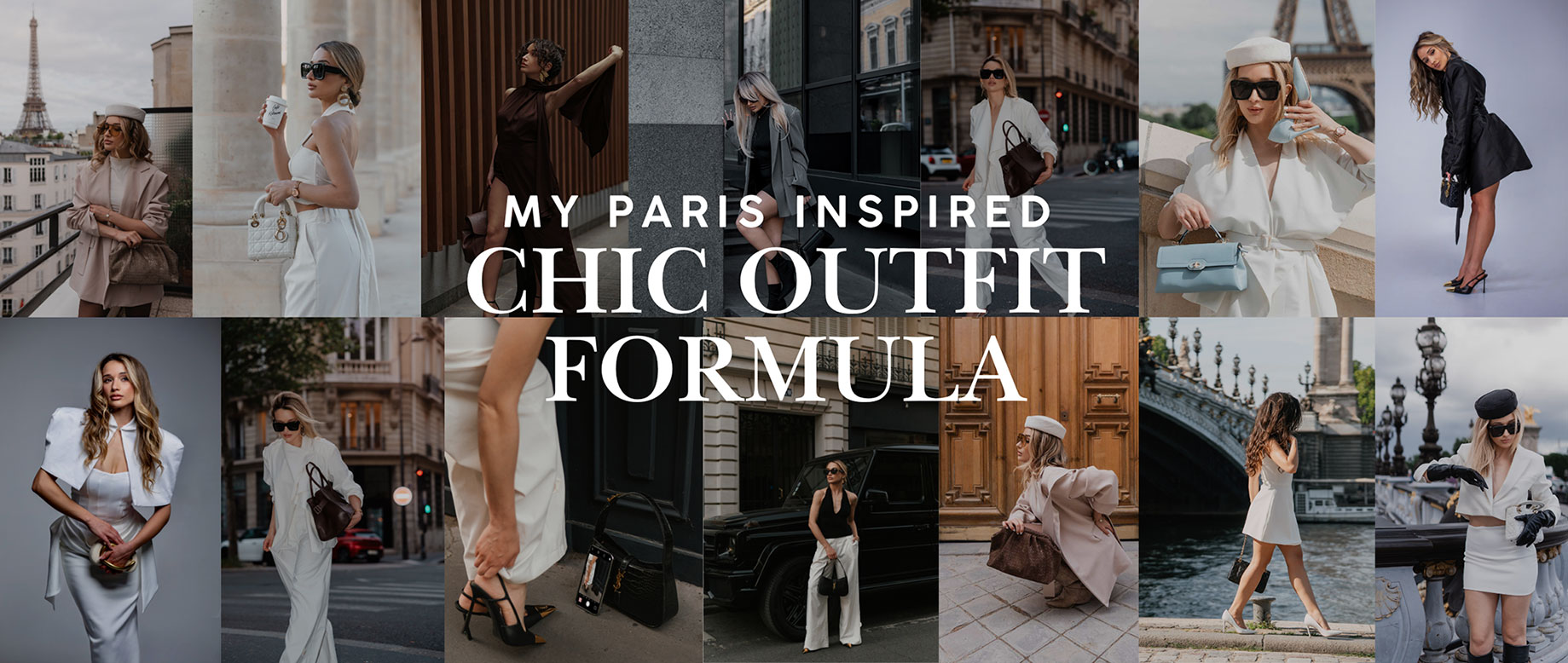
When I was packing my outfits for my latest trip to Paris, instead of panicking, I decided to look into my closet like a fashion scientist. I stopped thinking about my wardrobe as individual pieces but more as a styling system.
That’s when I created a styling formula built around soft neutrals, balanced shapes, structured or oversized pieces, feminine details, and intentional accessories.
And it worked! It made my packing easier, my outfits more stylish and my personal style much clearer, not just for Paris, but for my everyday wardrobe too.
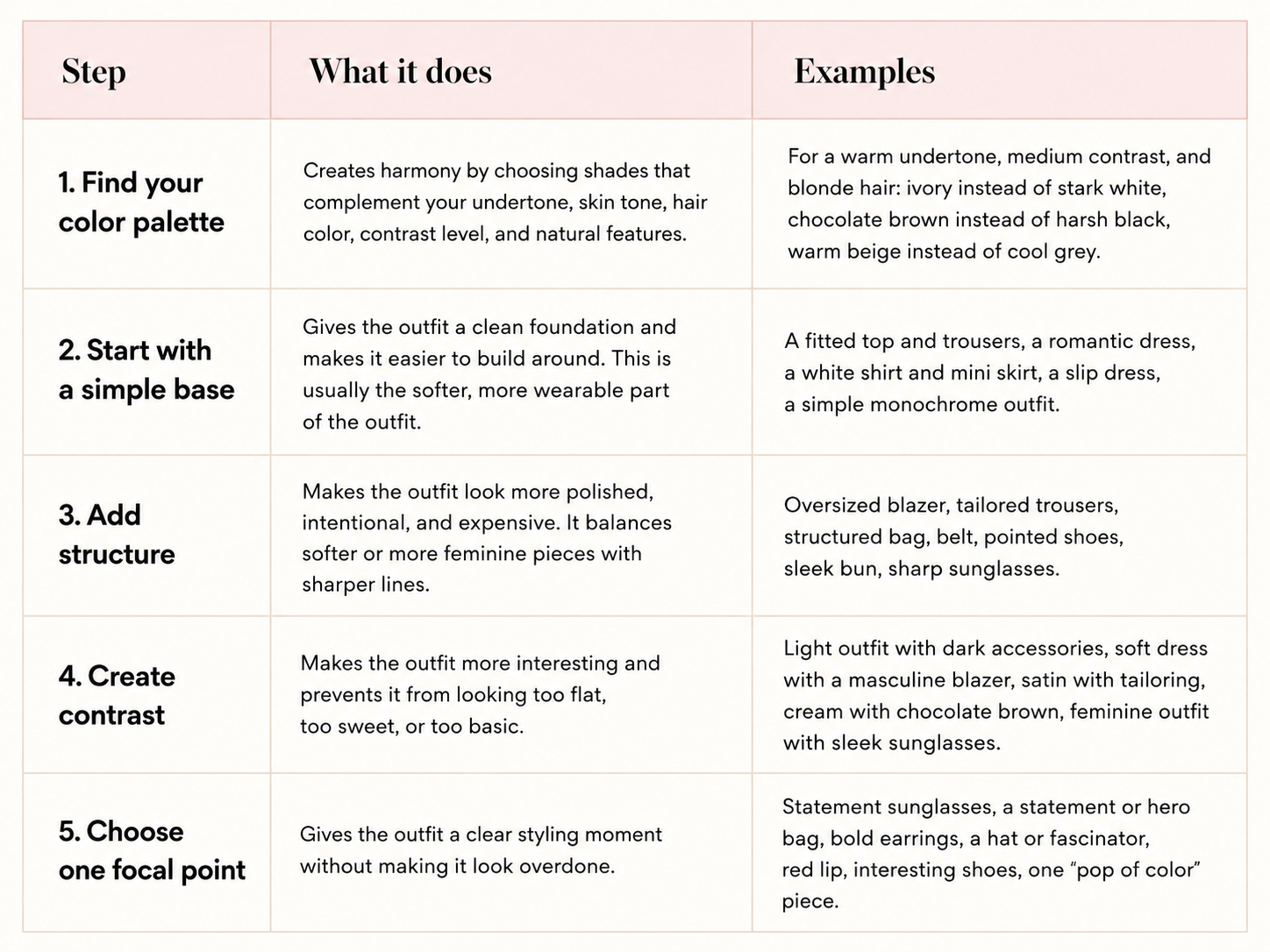
So today, I’m sharing the Paris-inspired capsule wardrobe formula that helps me always have something chic to wear. Before we get into the full breakdown, here’s a brief overview:
1. Find your color palette
Neutral colors are elegant, easy to mix, and they photograph beautifully. They create that effortless “European summer” or “Parisian chic” vibe without looking forced.
The first step to building a chic wardrobe is discovering your own neutral color palette. This means understanding which shades naturally work with your undertone, hair color, contrast level, and overall features. Because the truth is, neutrals are not one-size-fits-all.
A stark white shirt can look crisp and expensive on one person, but too harsh on someone else. A black blazer can look powerful and elegant on one person, but overpowering on another.
The goal is to find the colors that make your wardrobe feel harmonious and easy to combine.
My current color palette
For example, I have a warm undertone, and up until recently, I also had higher contrast because of my dark brown hair. But since bleaching my hair really blonde, my color palette has shifted.
Some of the shades that used to work perfectly with dark hair now feel a little off, while softer and warmer tones suddenly look much more natural on me.
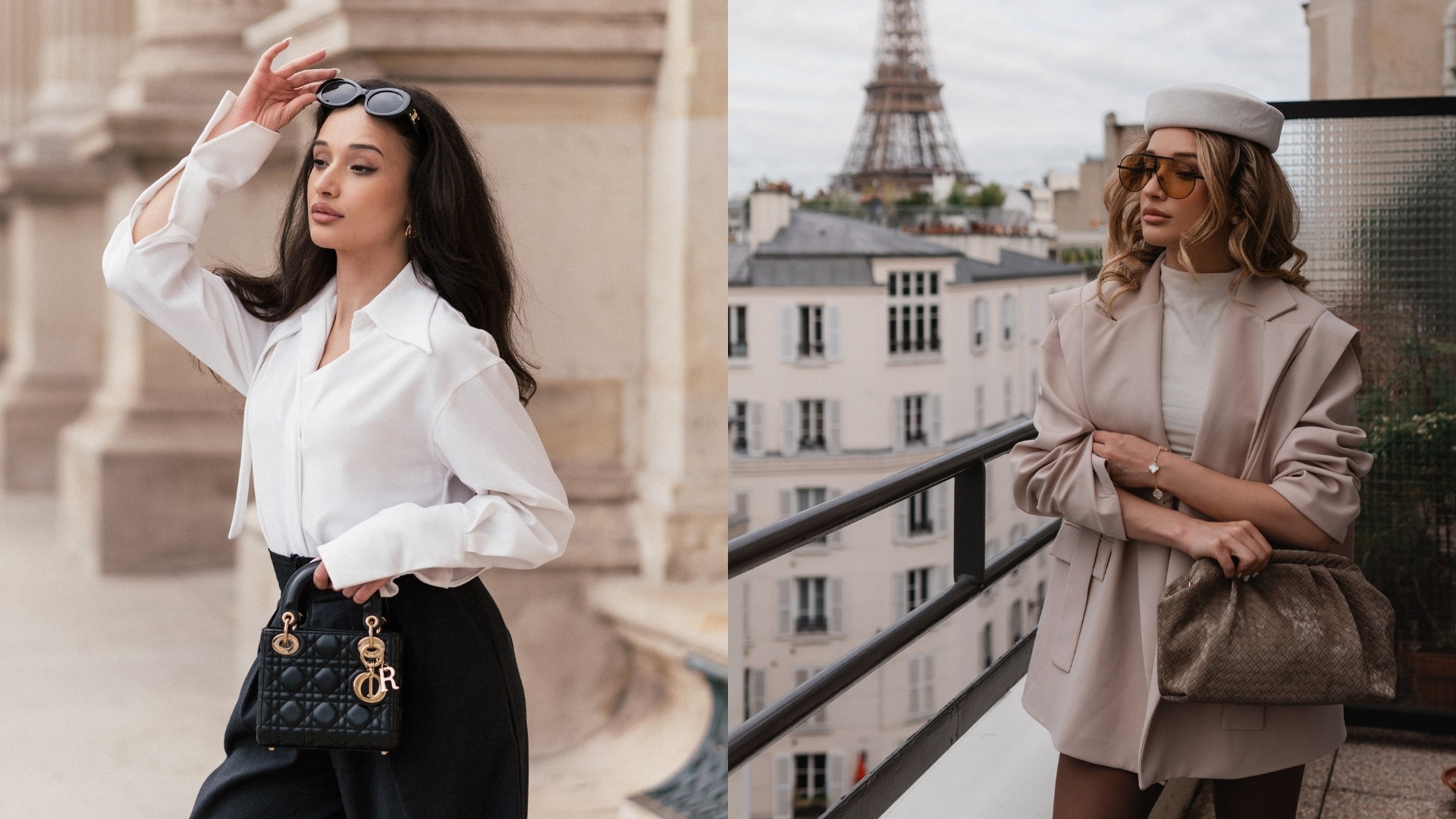
So for me right now, as someone with a warm undertone, blonde hair, and medium contrast, my strongest wardrobe palette is built around:
- cream or ivory instead of stark, icy white
- warm beige instead of cool grey
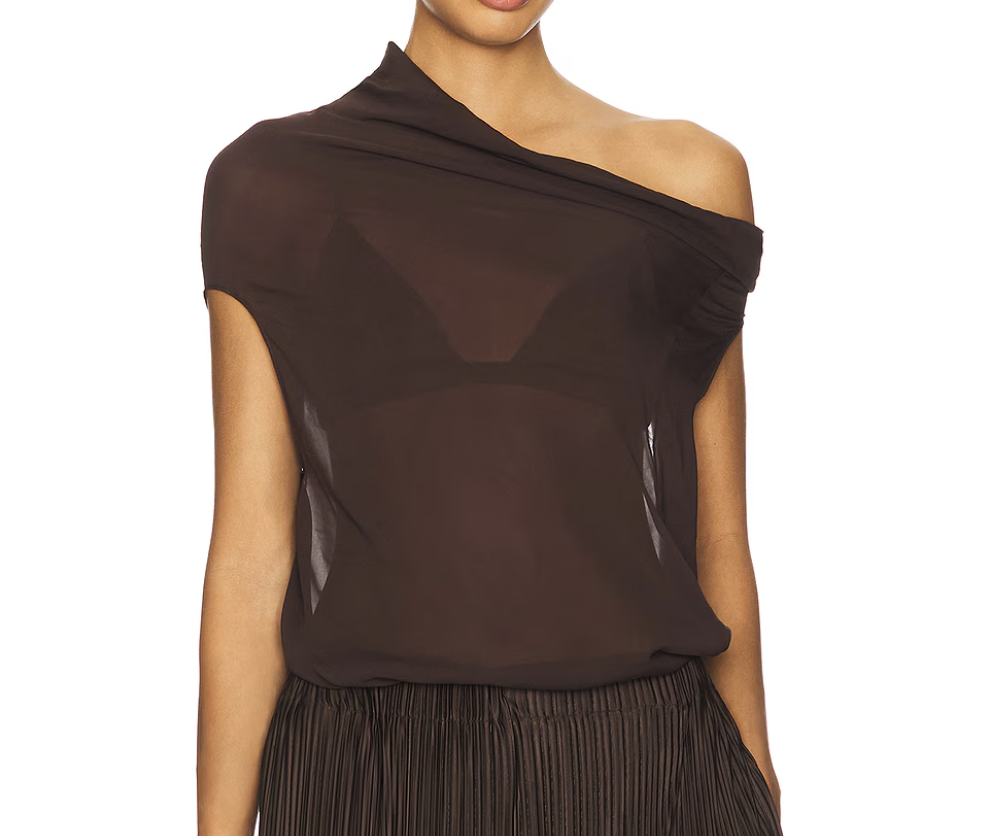
- chocolate brown instead of harsh black
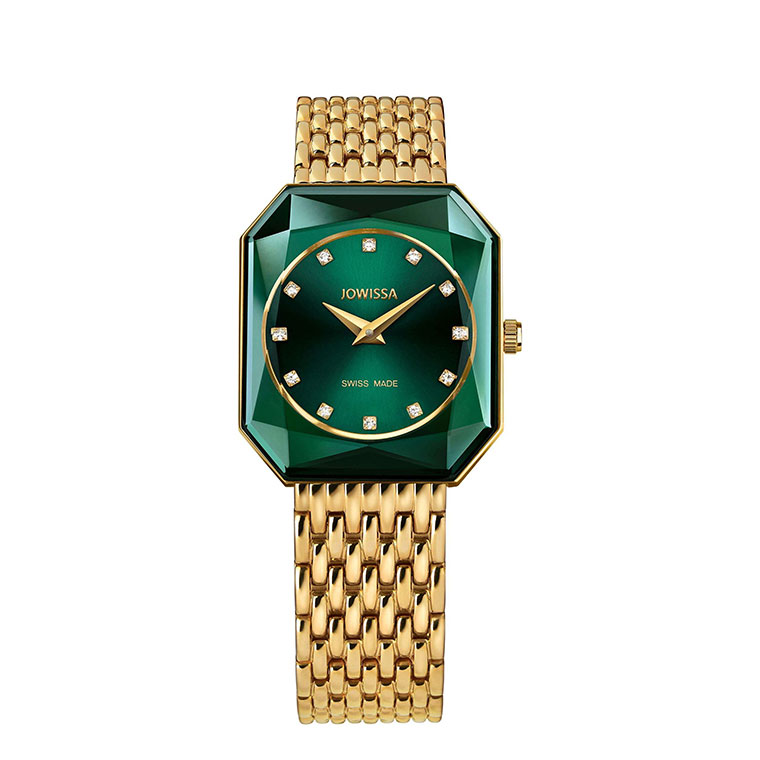
- gold instead of silver
This does not mean I never wear black or cooler tones. It just means I know they need to be styled with more intention.
Examples of different neutral palettes
To help you find your own palette, I created a quick overview of different coloring profiles, including the neutrals that usually work best for each, and the shades that may be a little trickier to style. Use it as a starting point, not a strict rulebook.
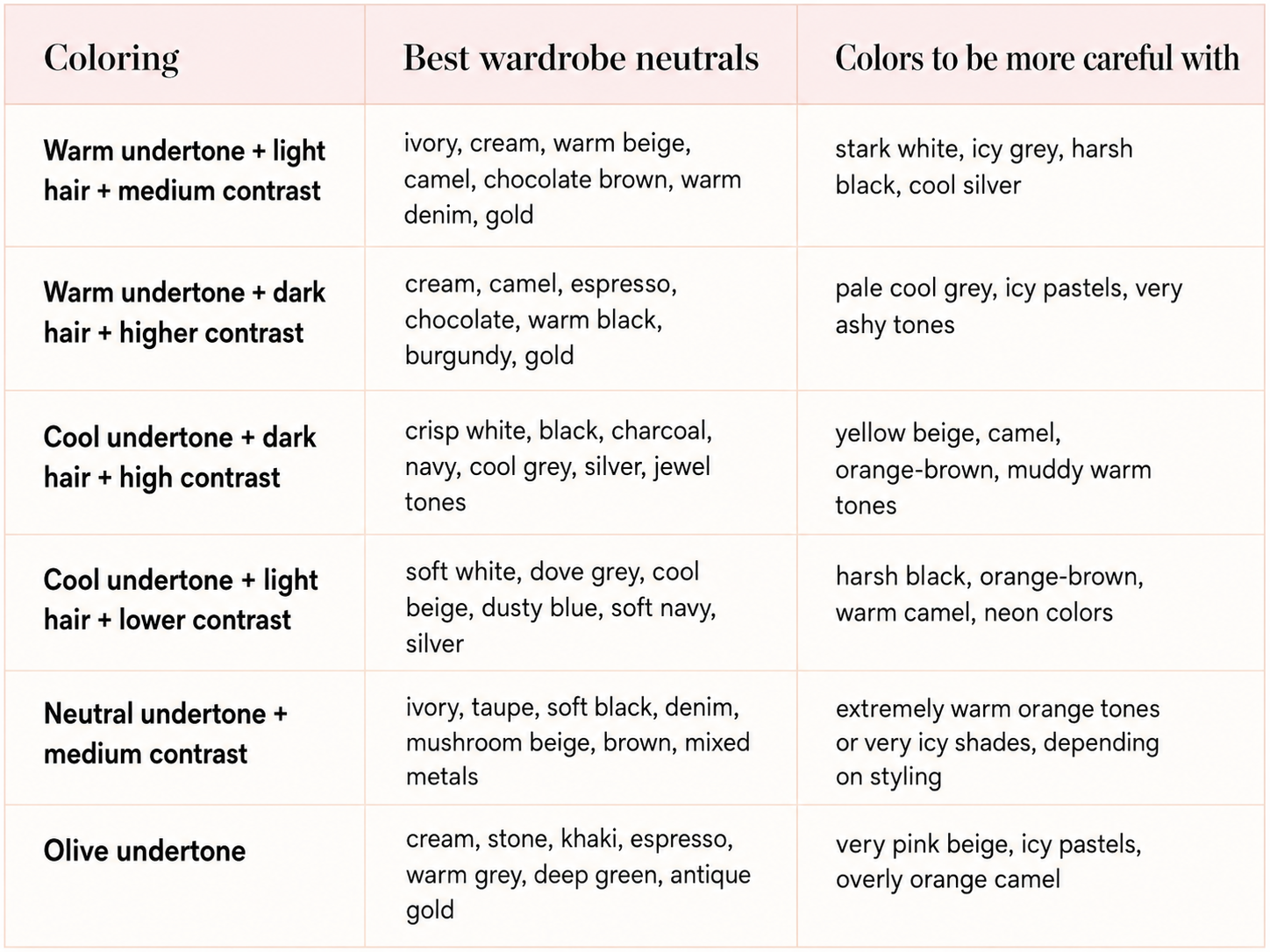
I linked some of my favorite wardrobe basics by color profile below, so you can start building a palette that actually works together instead of buying random pieces that never match.
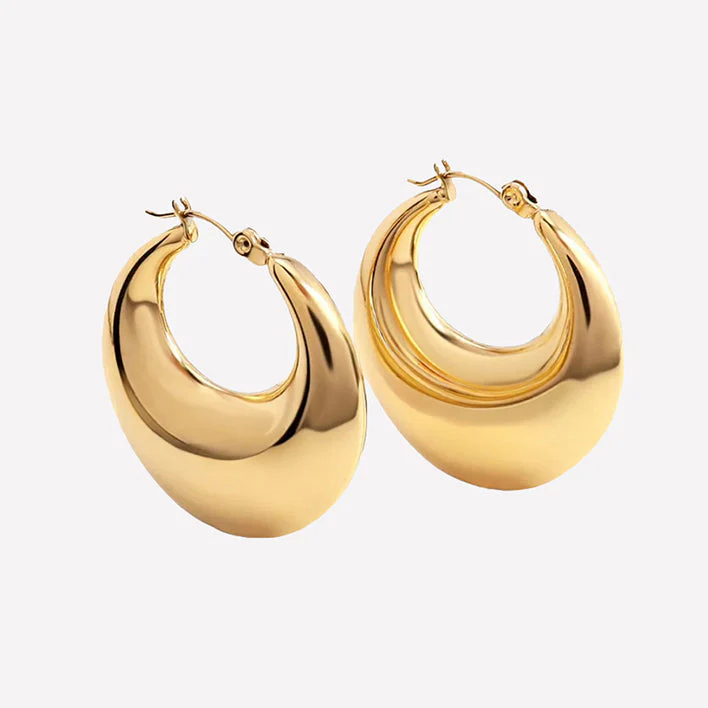
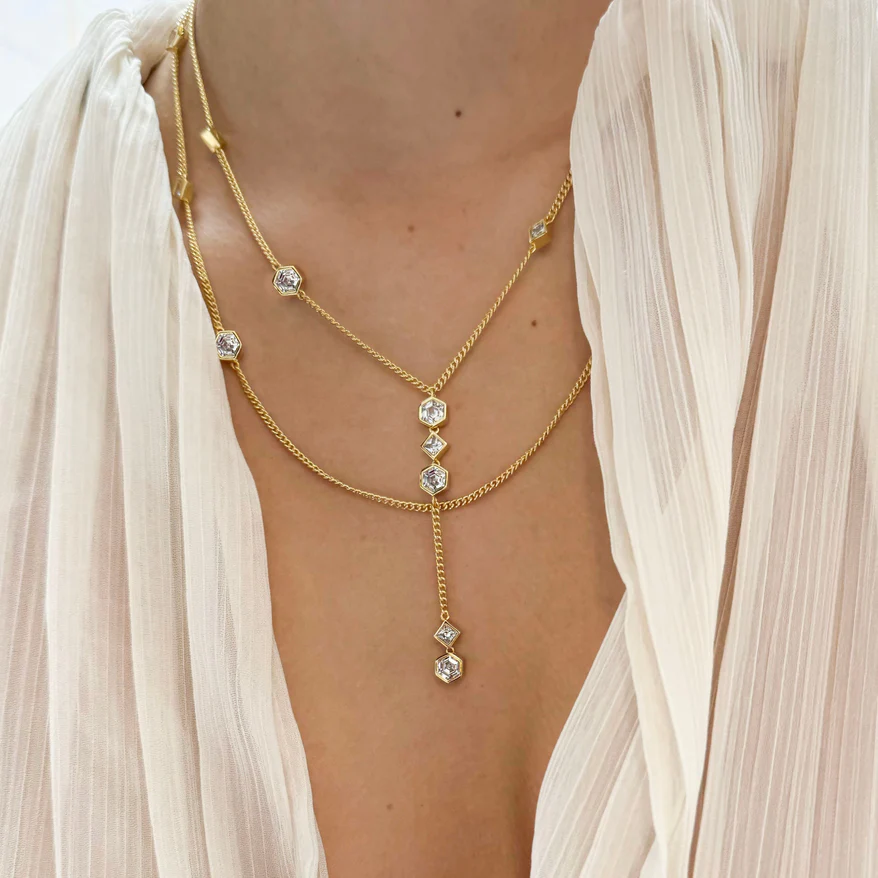
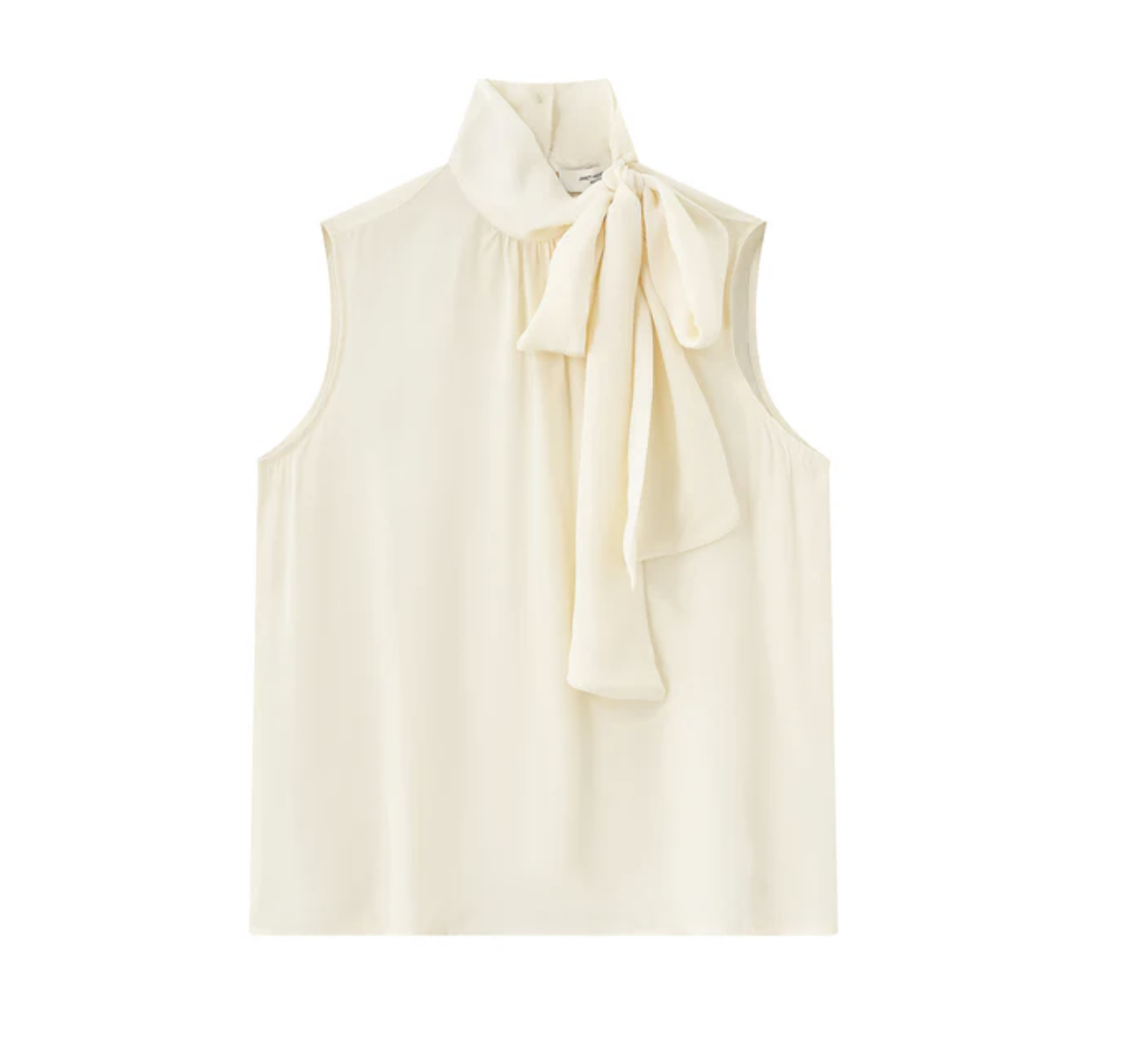
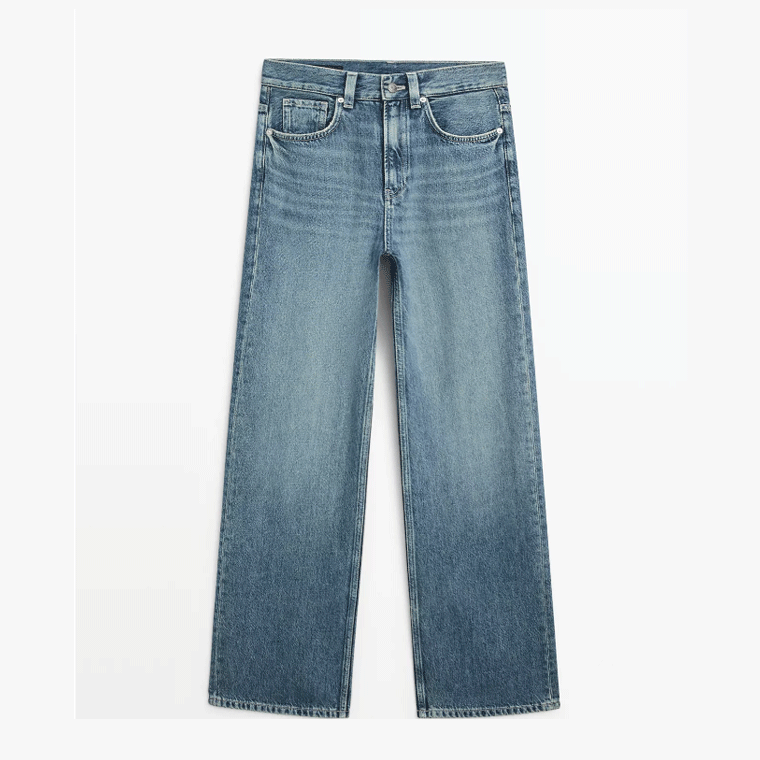
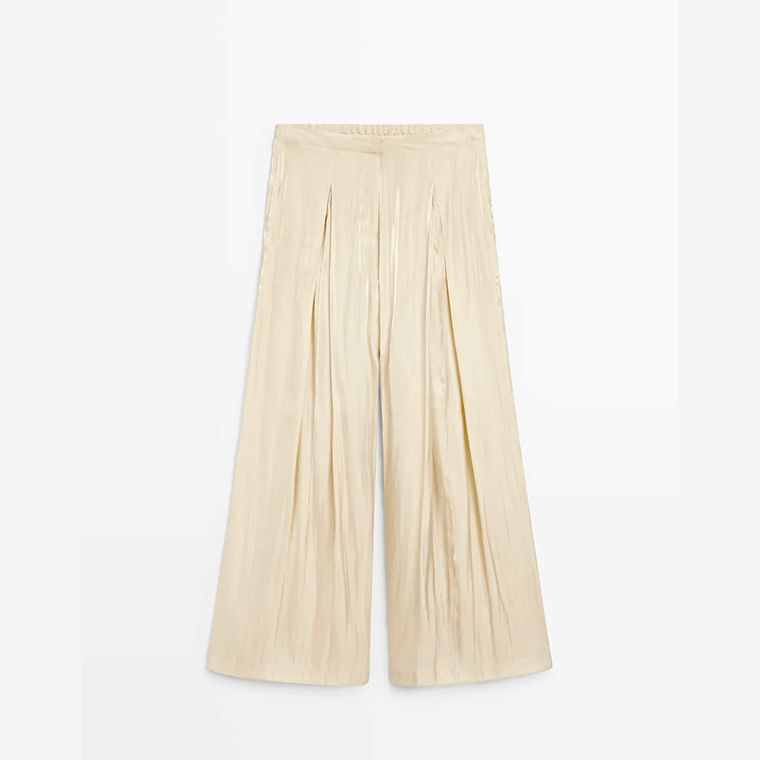
Warm undertone + light hair + medium contrast
Here are some wardrobe basic staples that I recommend for this color profile:
Shop my Favorites
Shop my Favorites
Shop my Favorites
Shop my Favorites
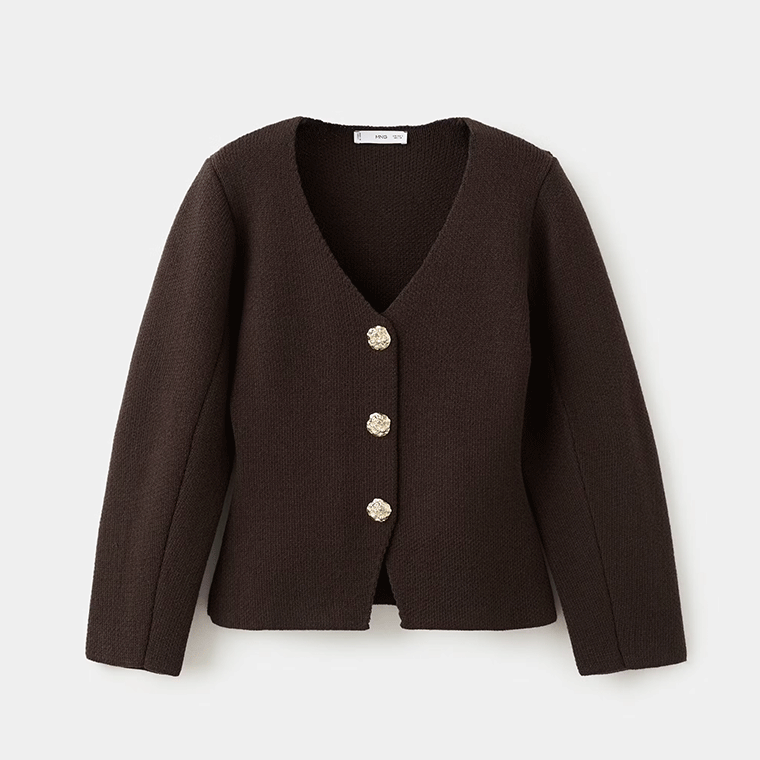
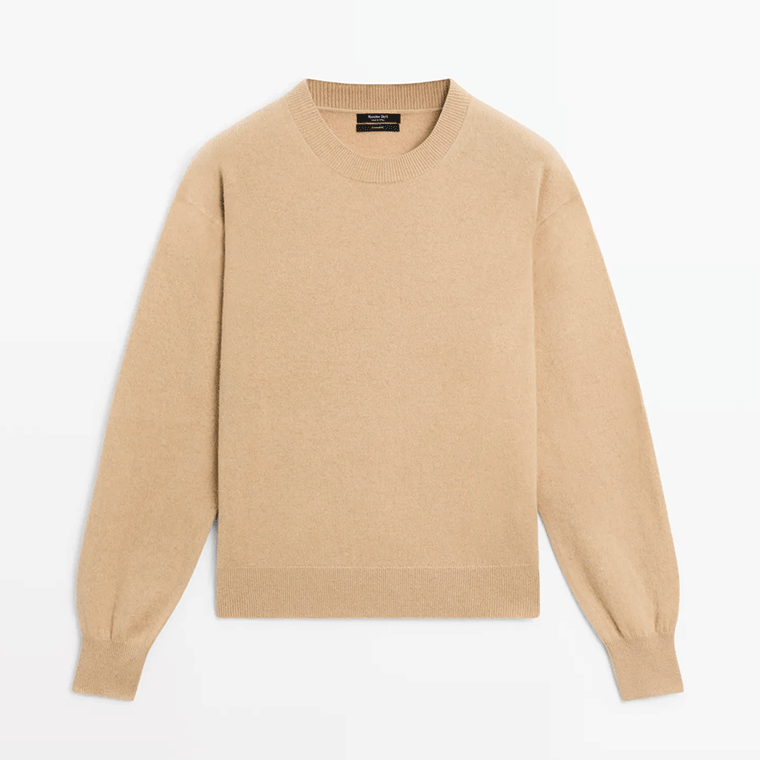
Warm undertone + dark hair + high contrast
Shop my Favorites
Shop my Favorites
Shop my Favorites
Shop my Favorites
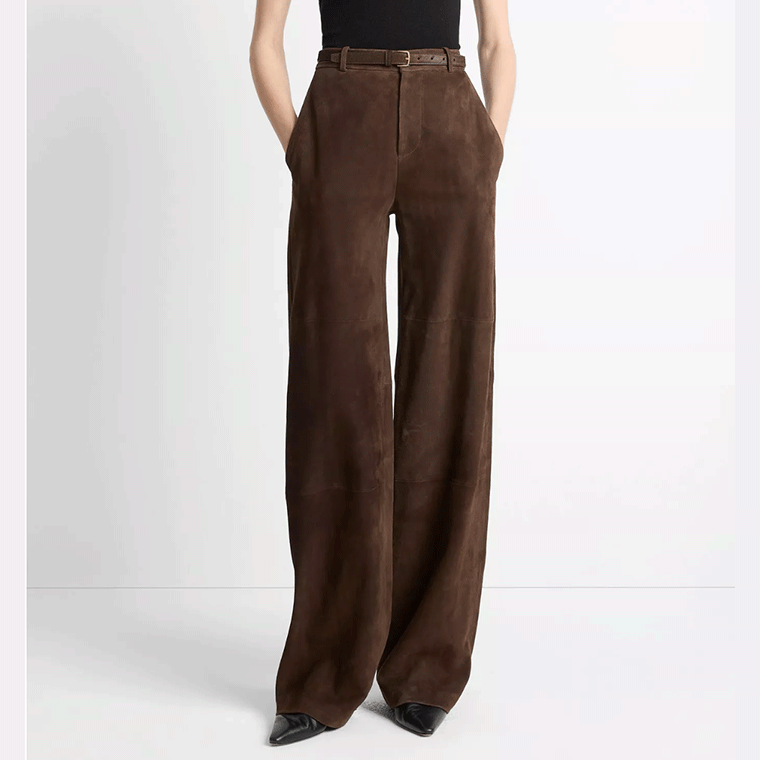

Cool undertone + dark hair + high contrast
Here are some wardrobe basic staples that I recommend for this color profile:
Shop my Favorites
Shop my Favorites
Shop my Favorites
Shop my Favorites
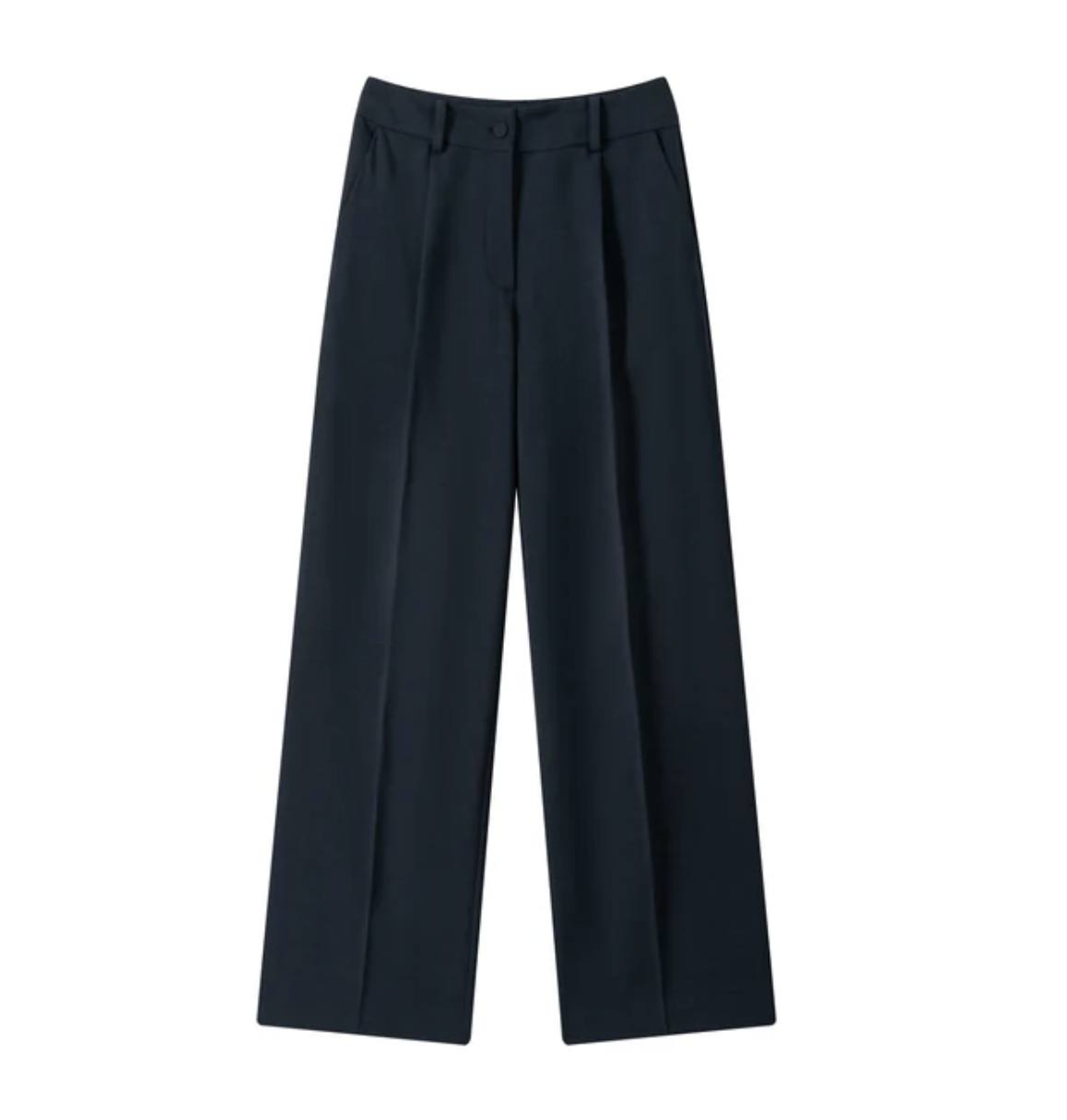
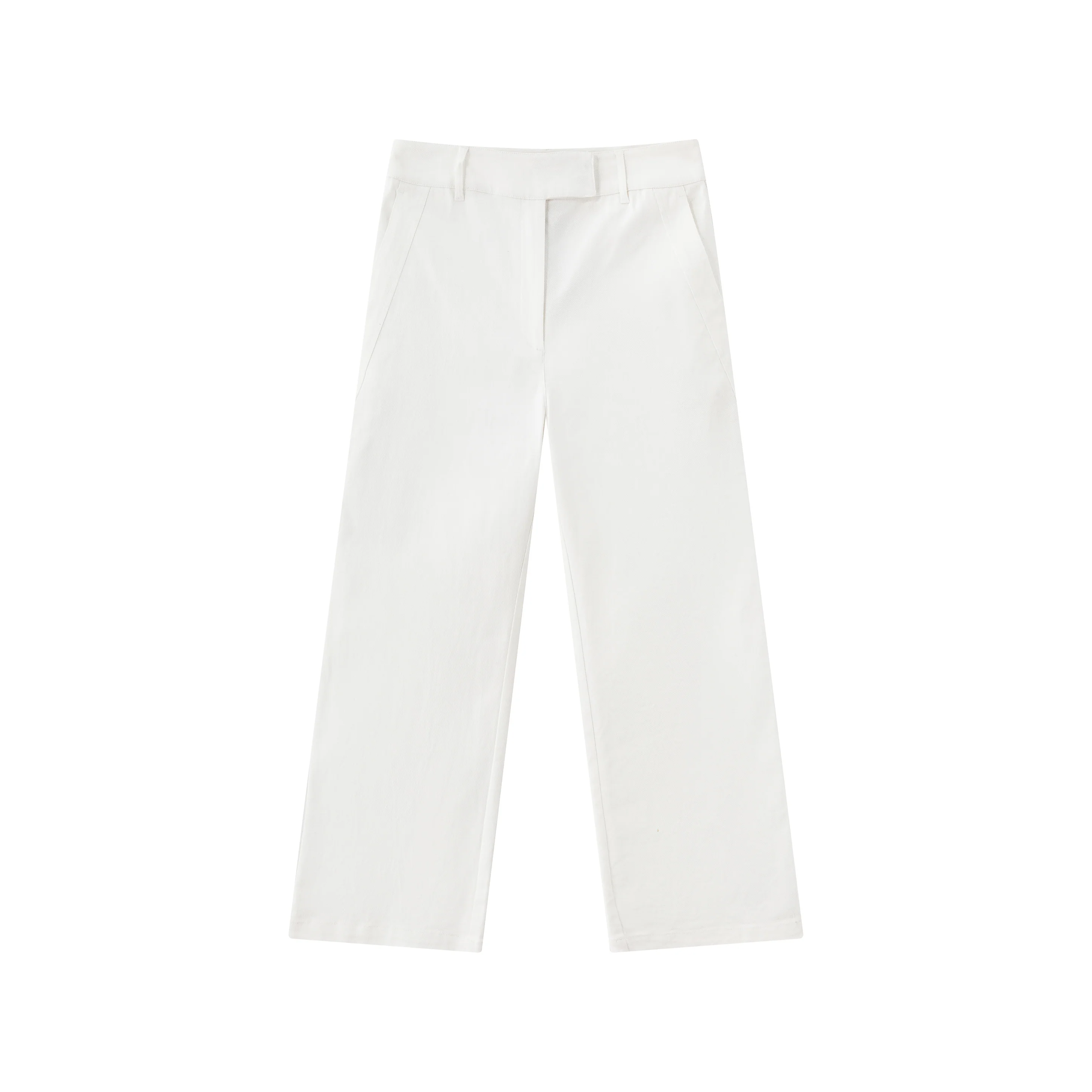
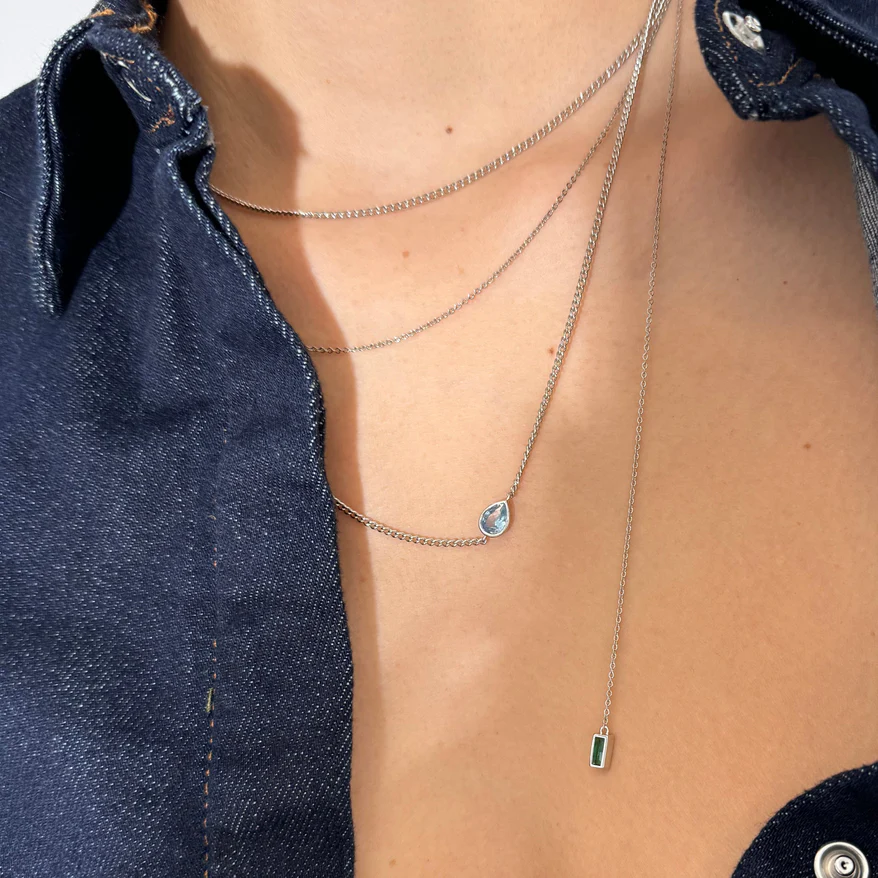
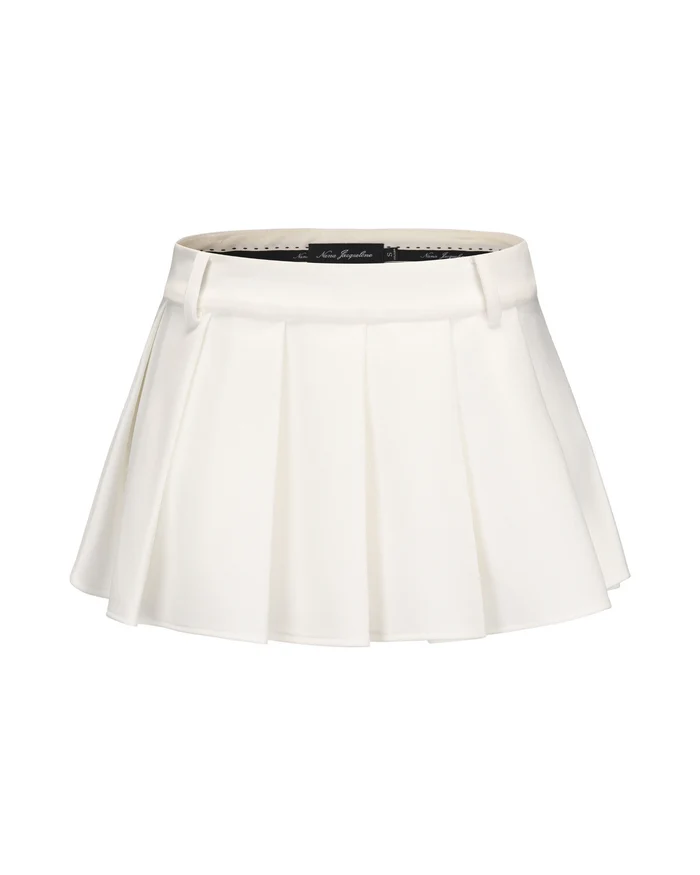
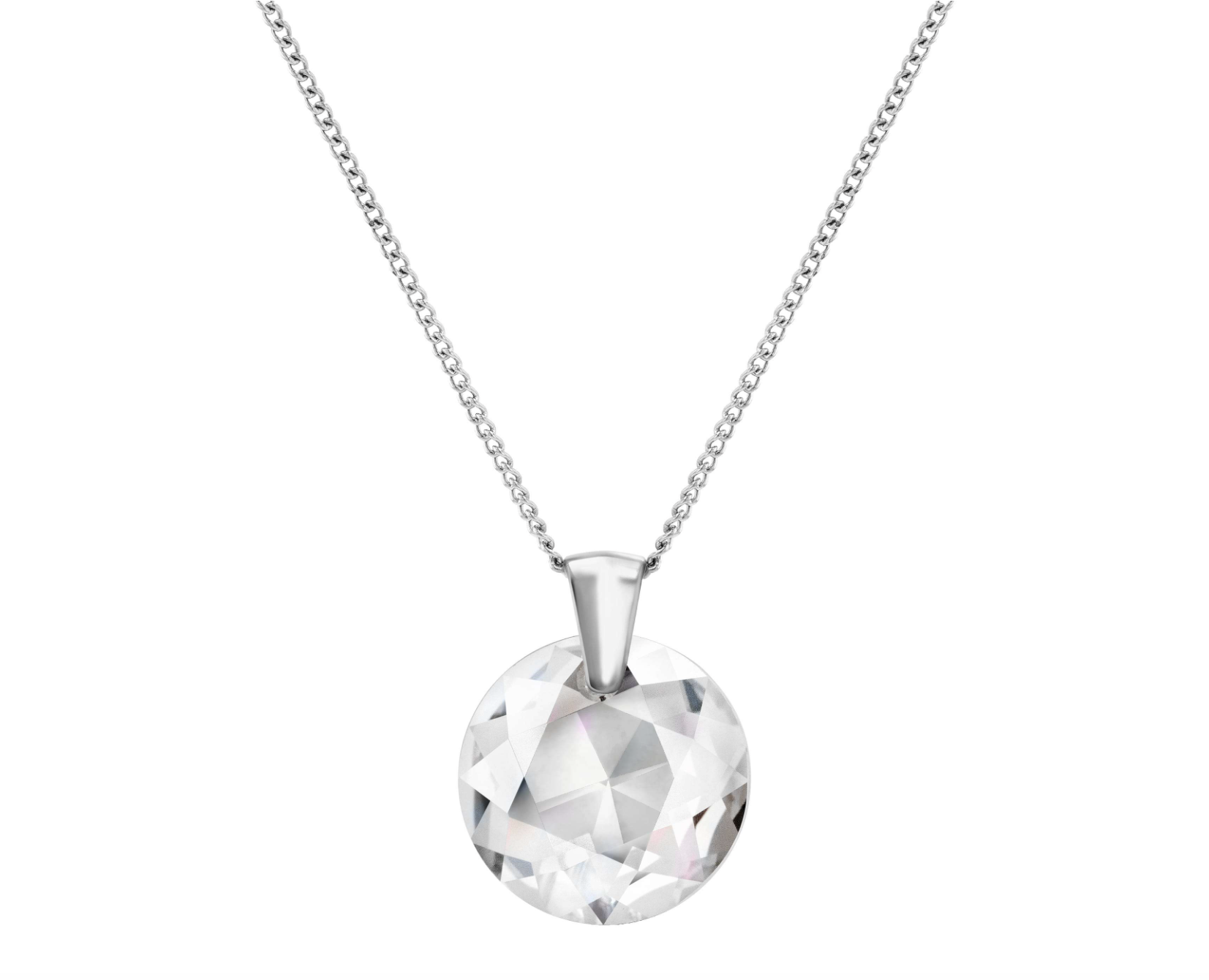
Cool undertone + light hair + low contrast
Shop my Favorites
Shop my Favorites
Shop my Favorites
Shop my Favorites
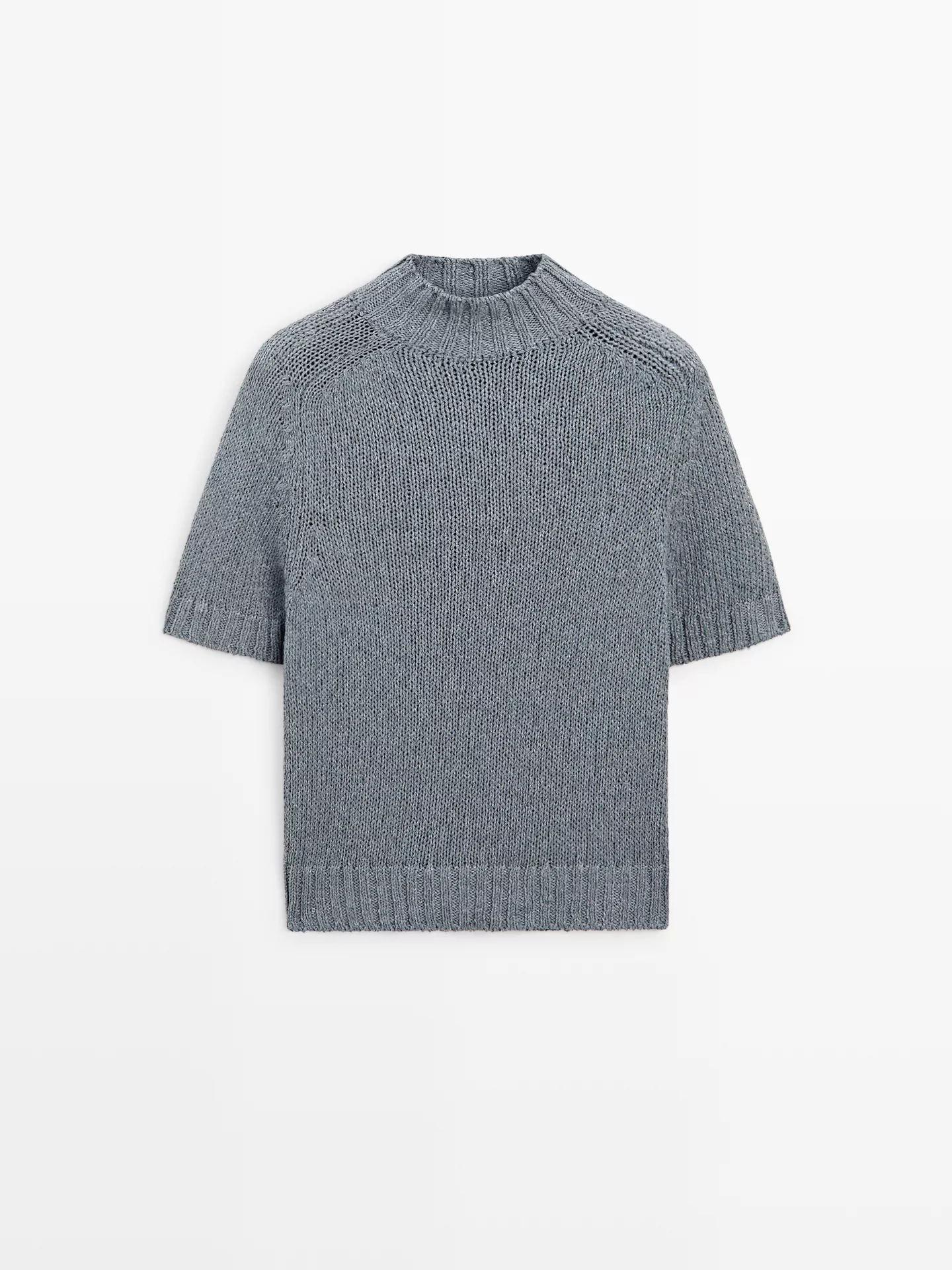
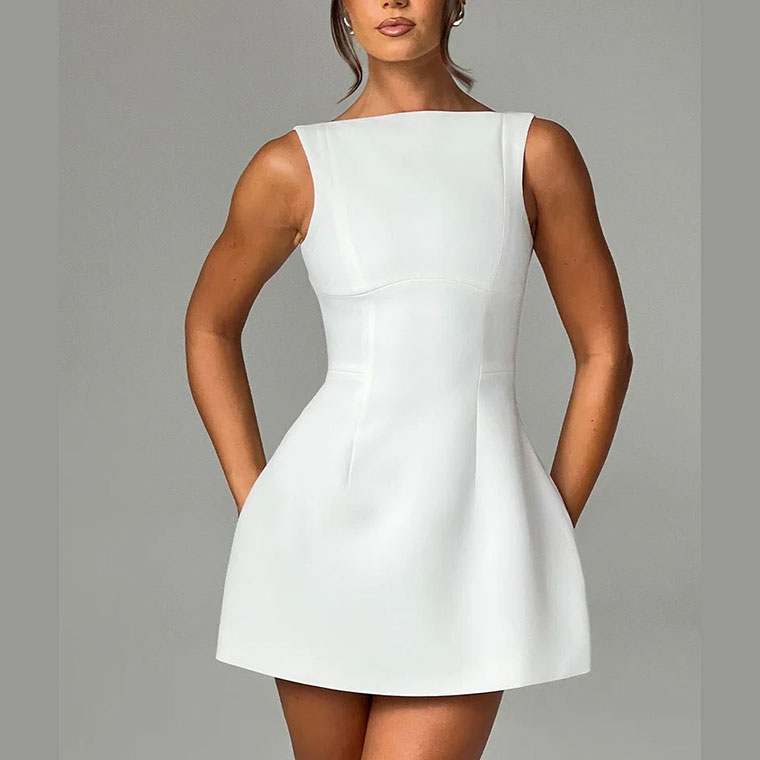
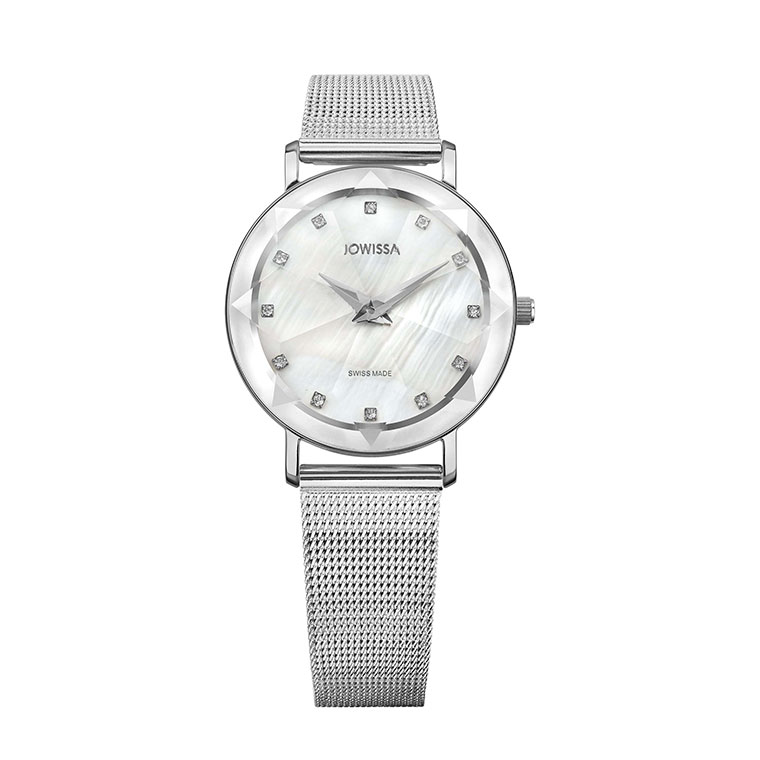
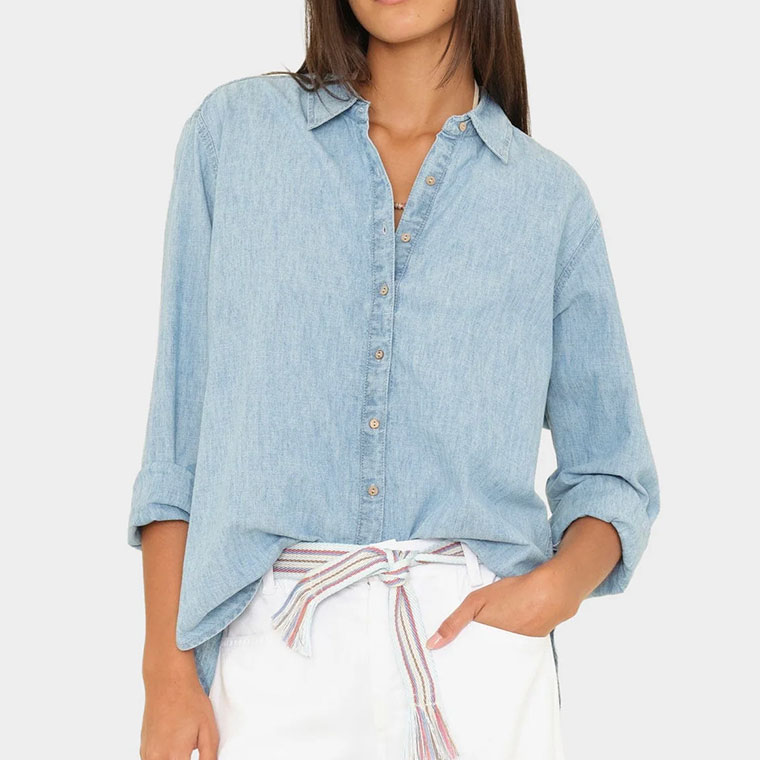
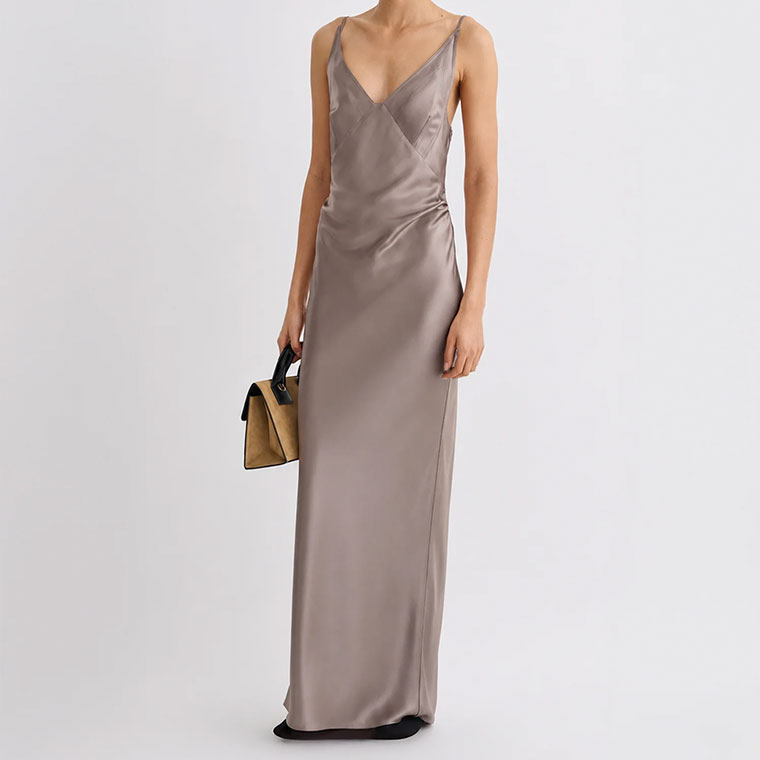
Neutral undertone + medium contrast
Shop my Favorites
Shop my Favorites
Shop my Favorites
Shop my Favorites
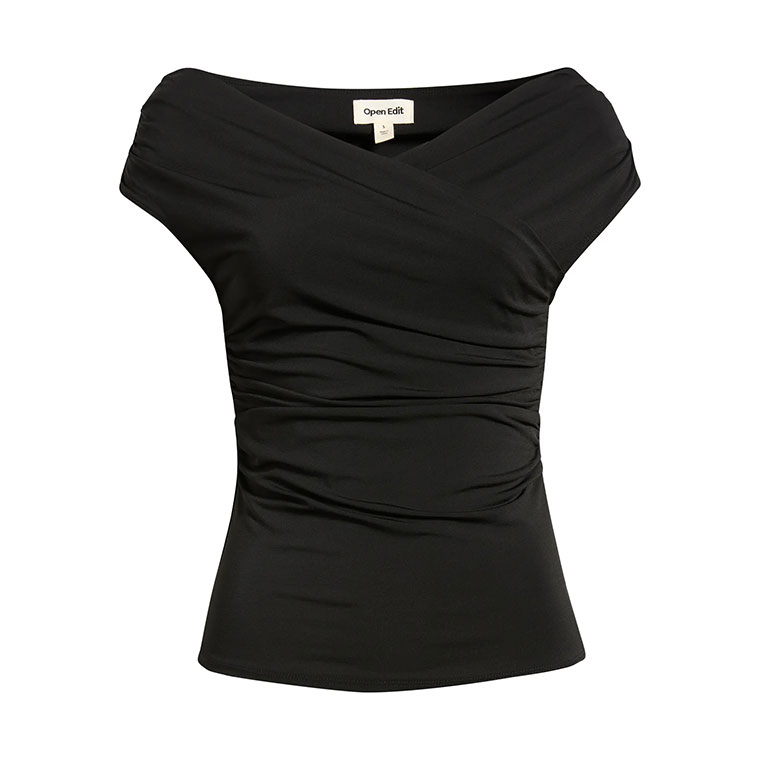
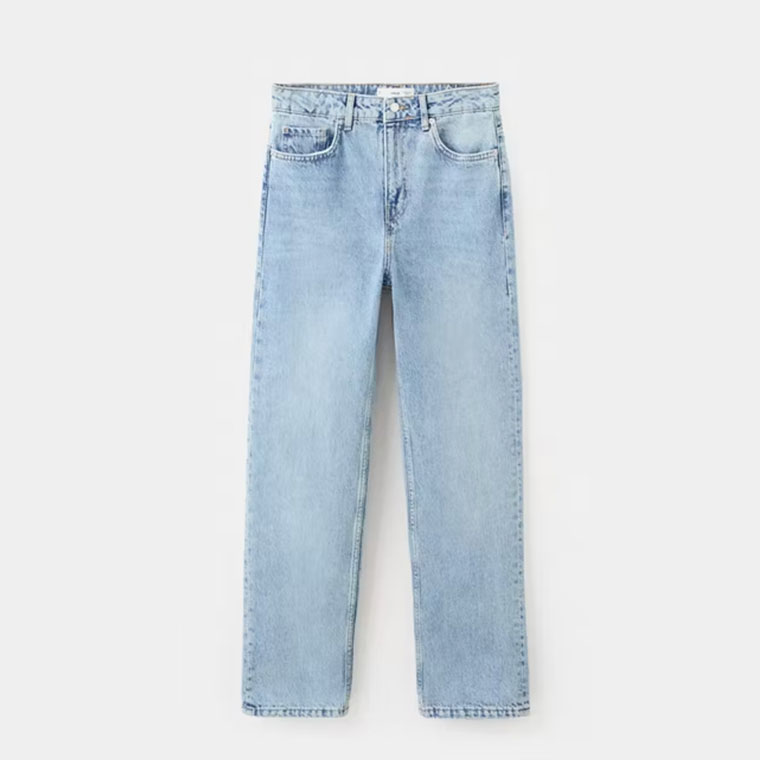
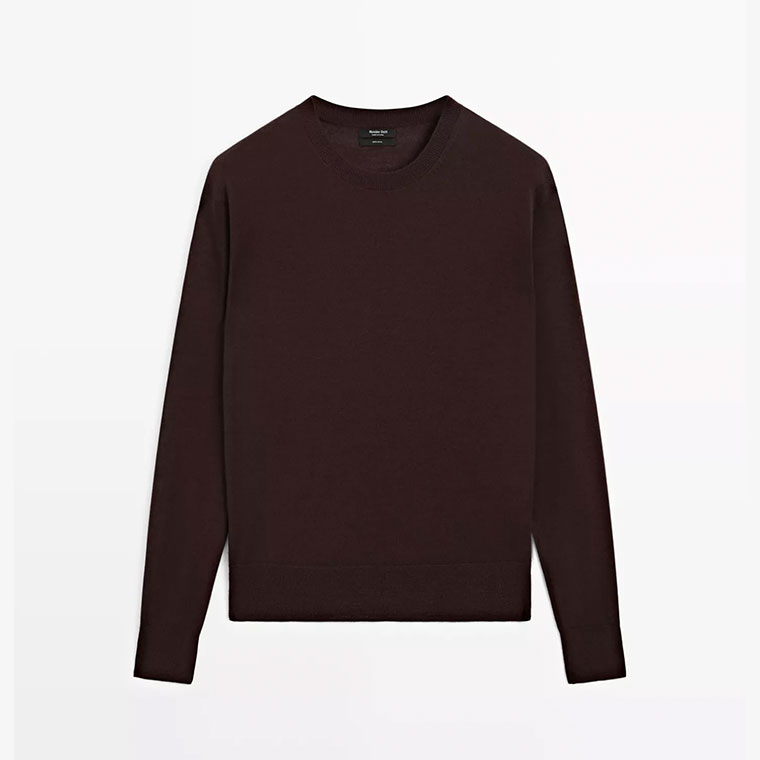
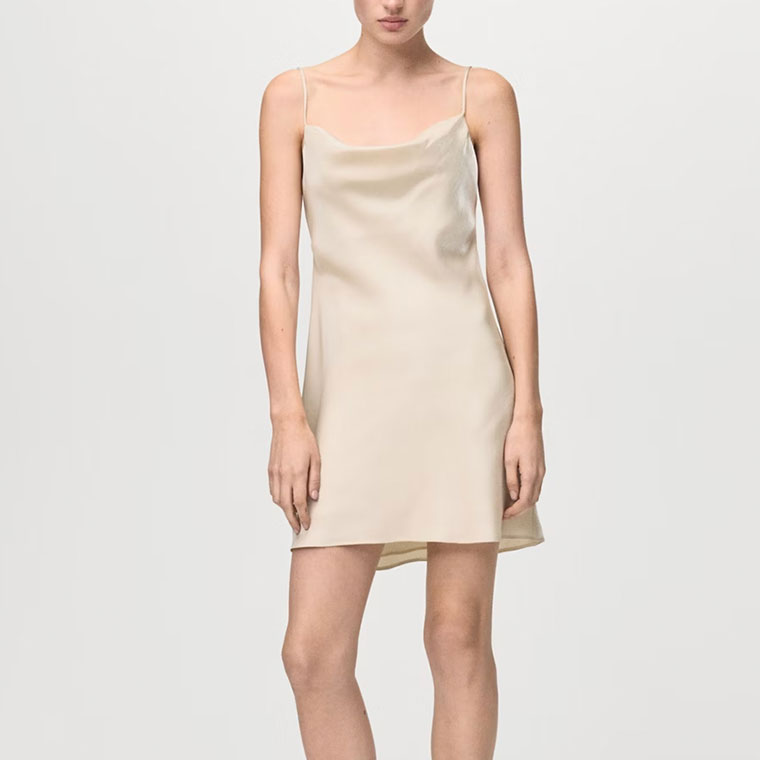
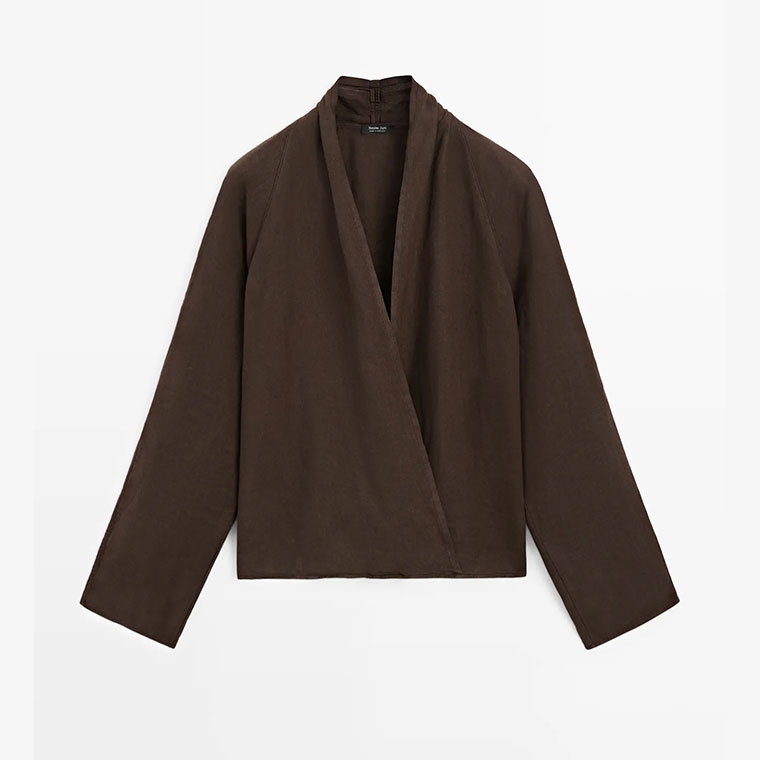
Olive undertone
Shop my Favorites
Shop my Favorites
Shop my Favorites
Shop my Favorites
2. Start with a simple base
Once you know your color palette, the next step is to start with a simple base.
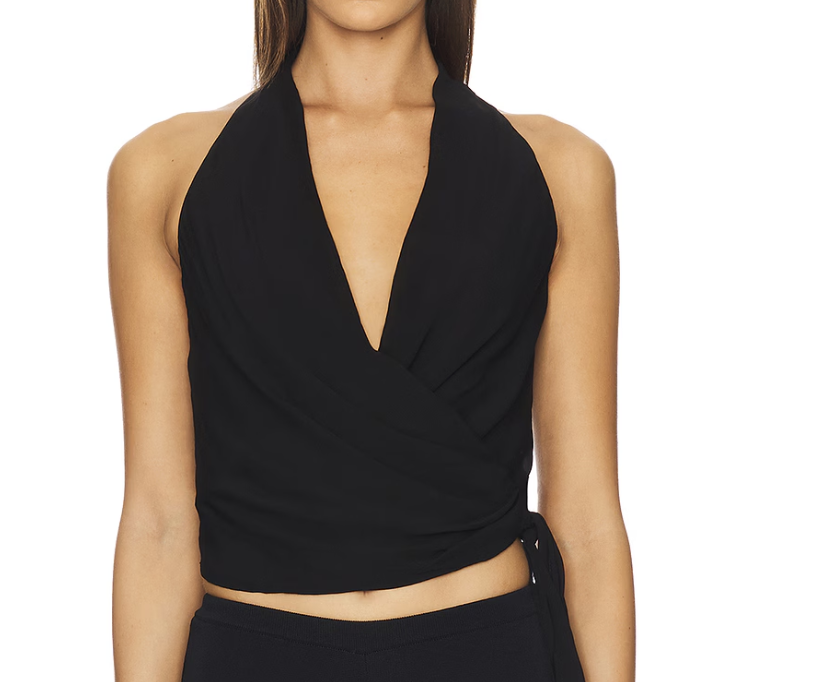
A simple base does not mean boring. It means your wardrobe has a foundation. Once your foundation works, you can add layers on top. Think of it as the canvas of your outfit, which allows you to mix and match the other pieces and highlight them properly.
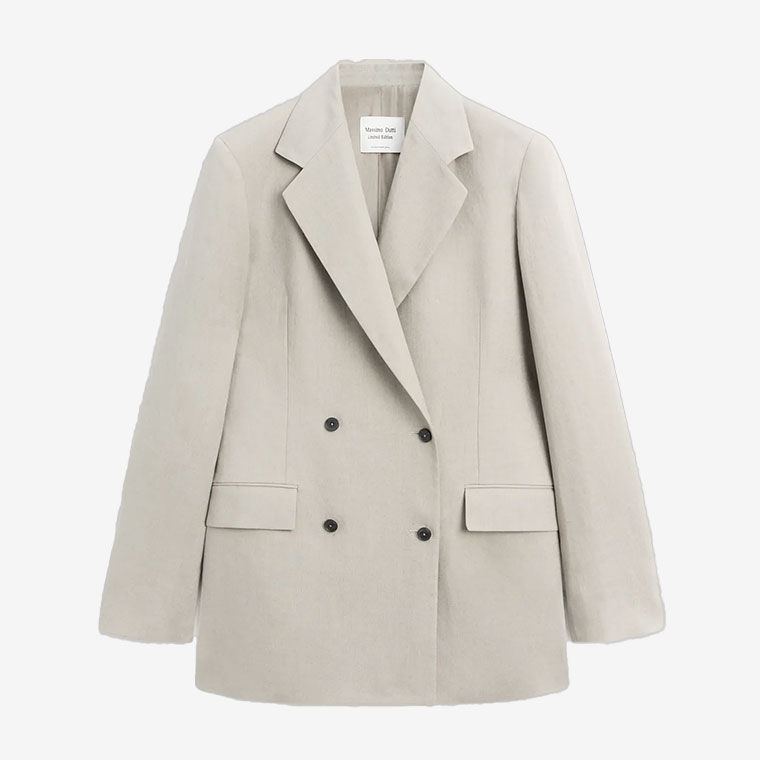
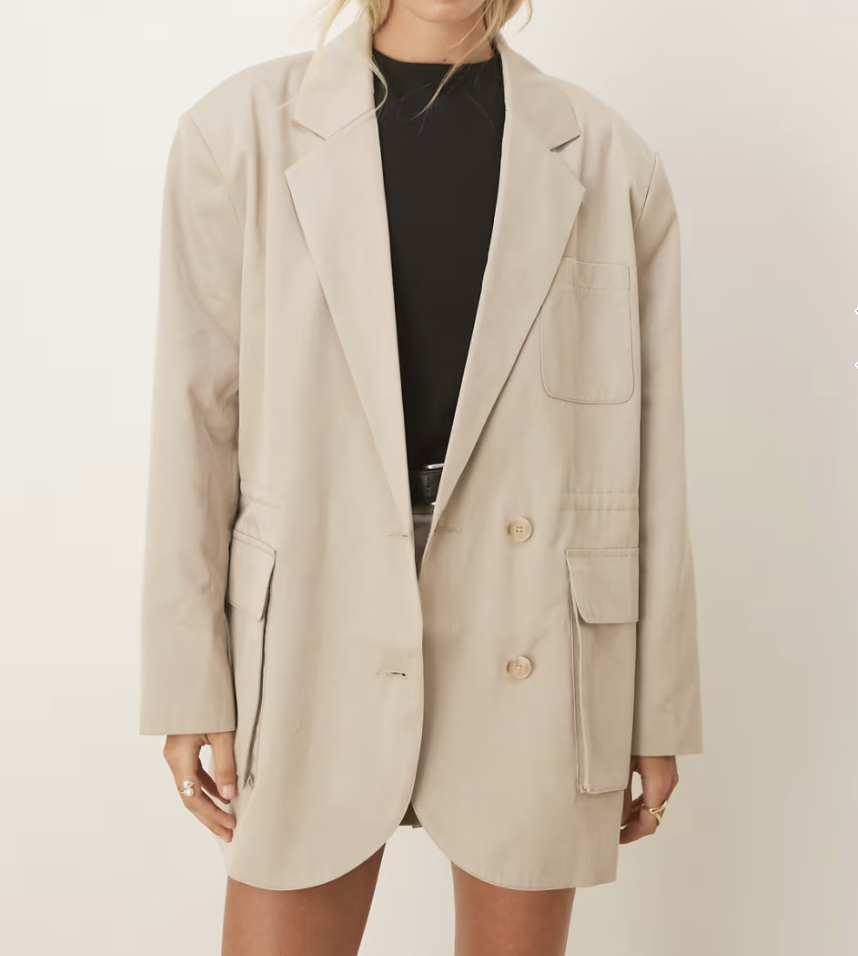
For example, a simple ivory blazer and mini skirt can look completely different depending on whether you style them with a black structured bag, pointed heels and gold earrings, or if you style them with a light blue mini bag and matching sandals.
That is the magic of neutrals: they give you more outfit options with fewer pieces.
Shop my Favorites
Shop my Favorites
Shop my Favorites
Shop my Favorites
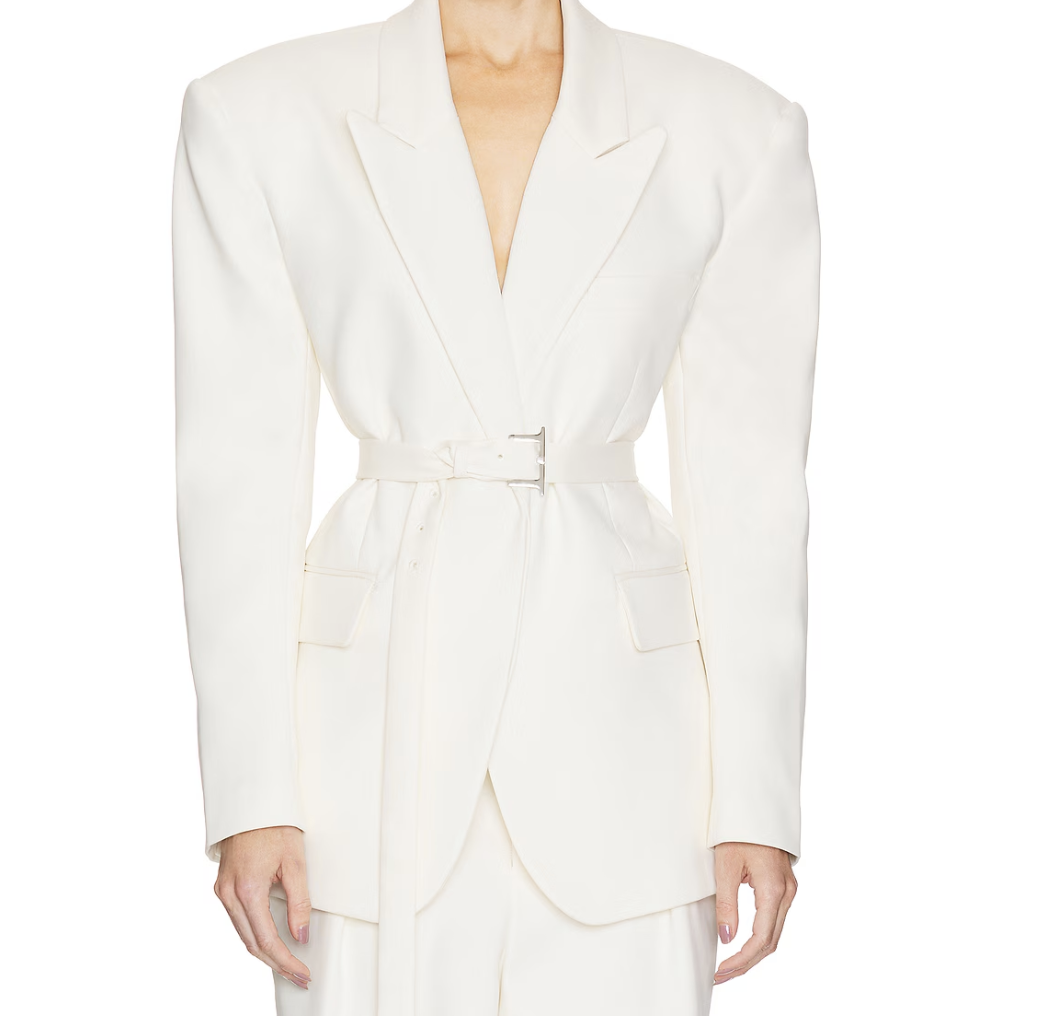
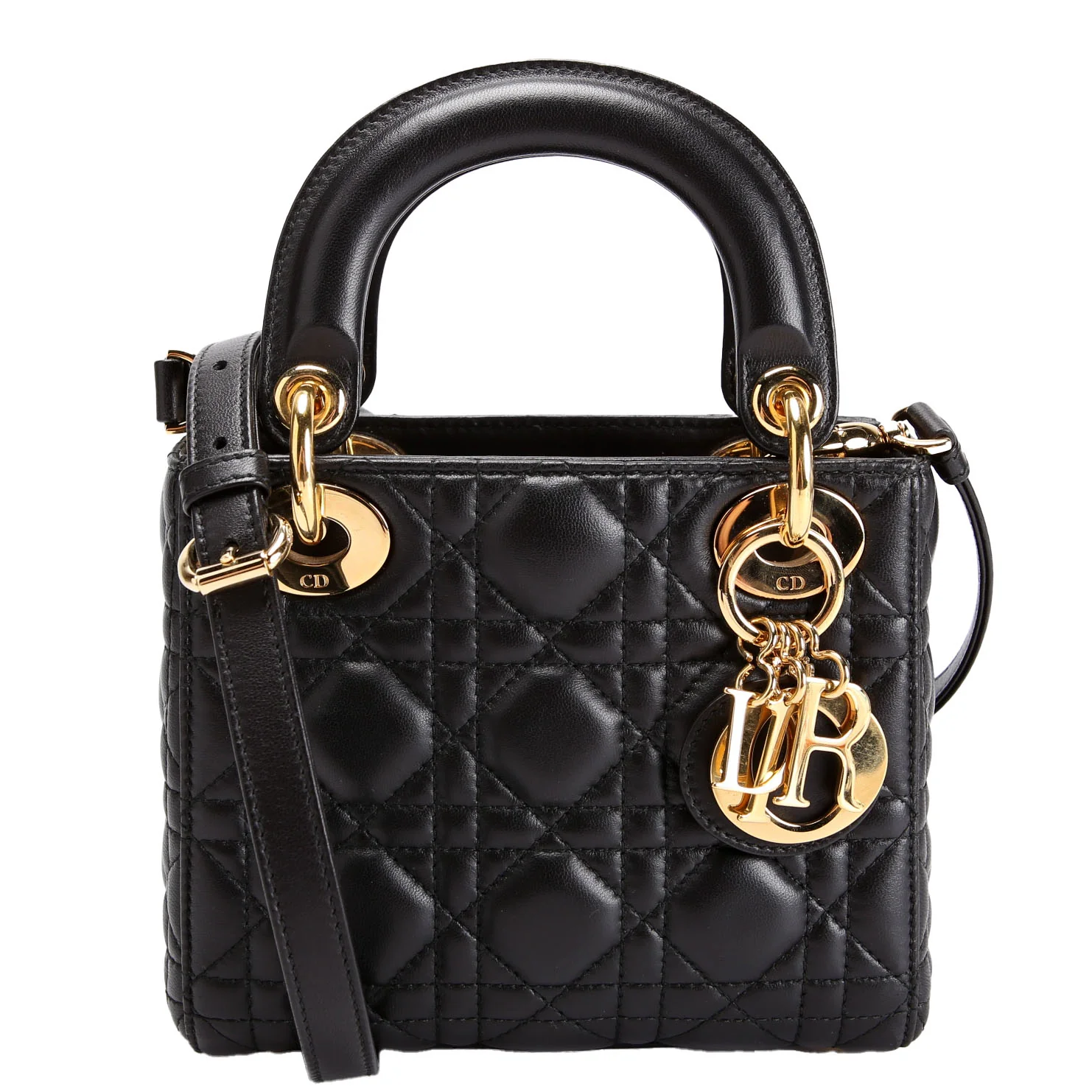
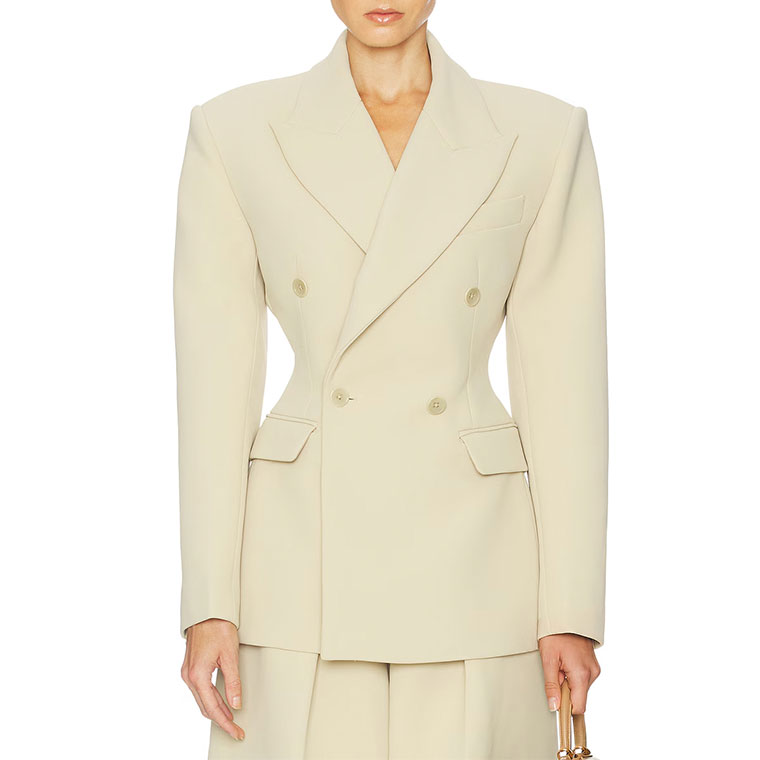
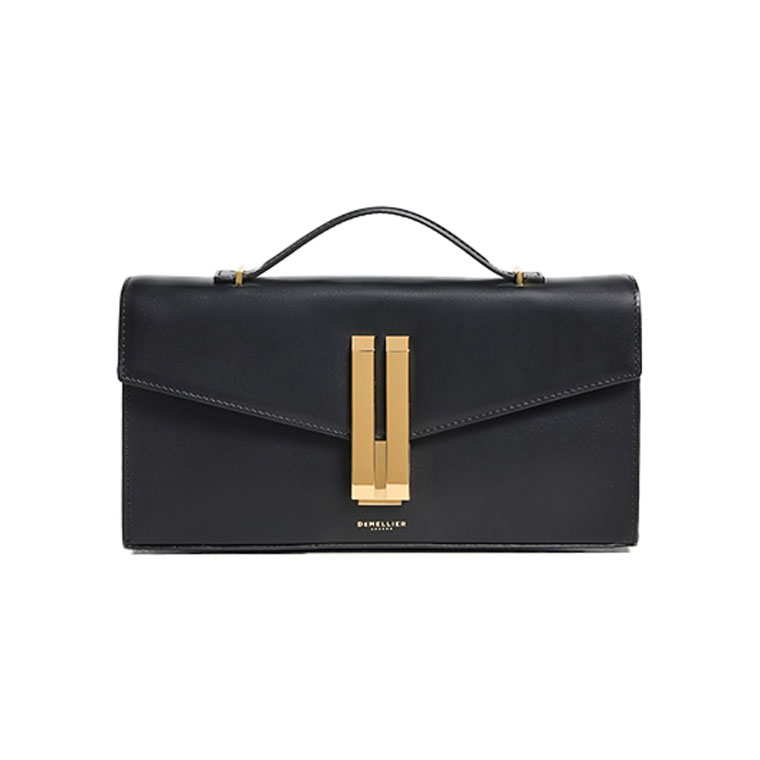
3. Add structure
This is where you add a bit of drama to your outfit. One of the biggest styling lessons I learned is that an outfit instantly looks more polished and elevated when there is some structure.
By structure I don’t mean the outfit needs to be stiff or formal, I just mean the outfit needs something sharp to give it some shape.
.jpg)
My favorite structured pieces are:
- cinched blazers
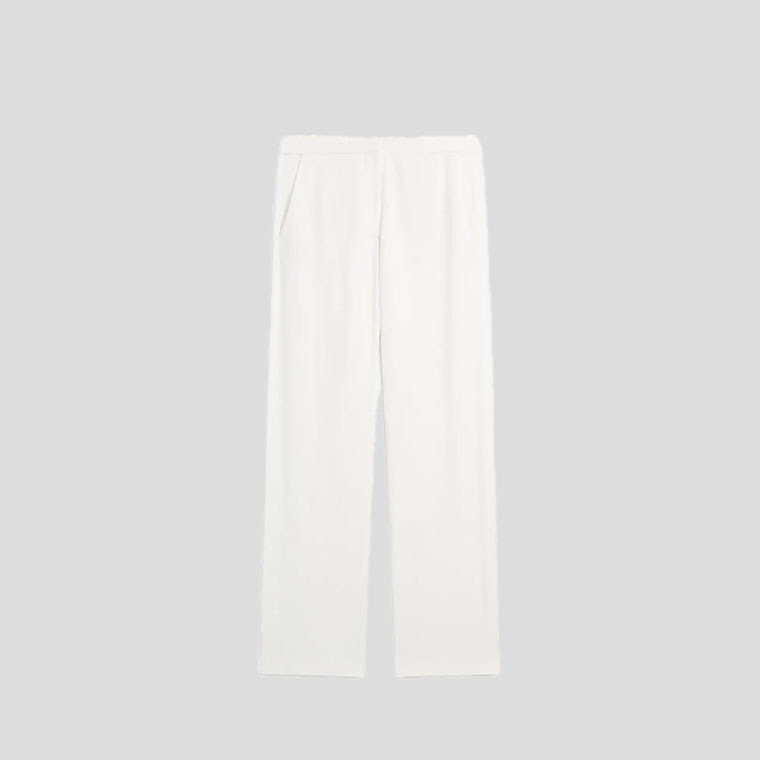
- tailored trousers
- wide-leg pants
- crisp white or ivory shirts
- belted jackets
- structured mini bags
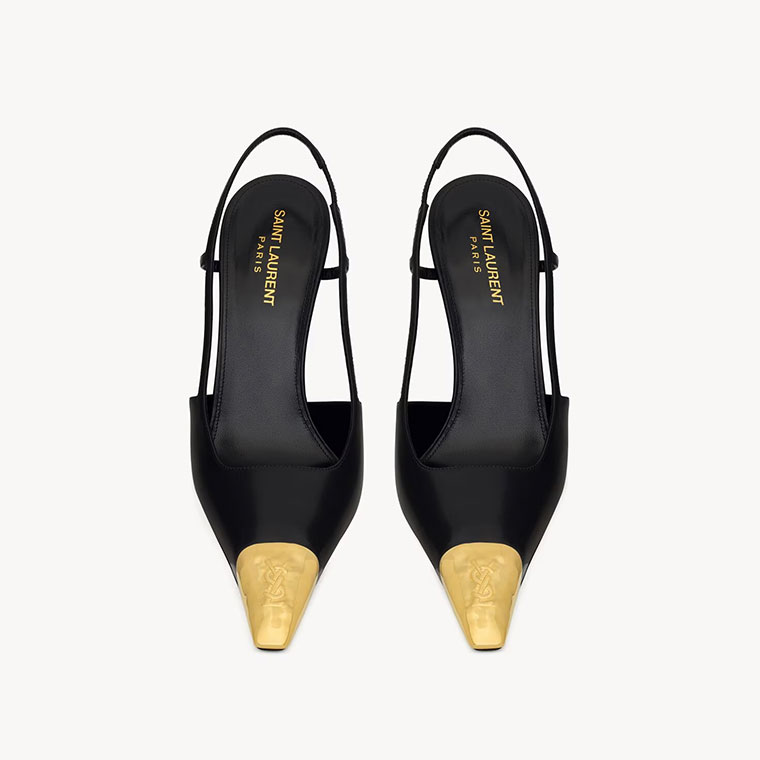
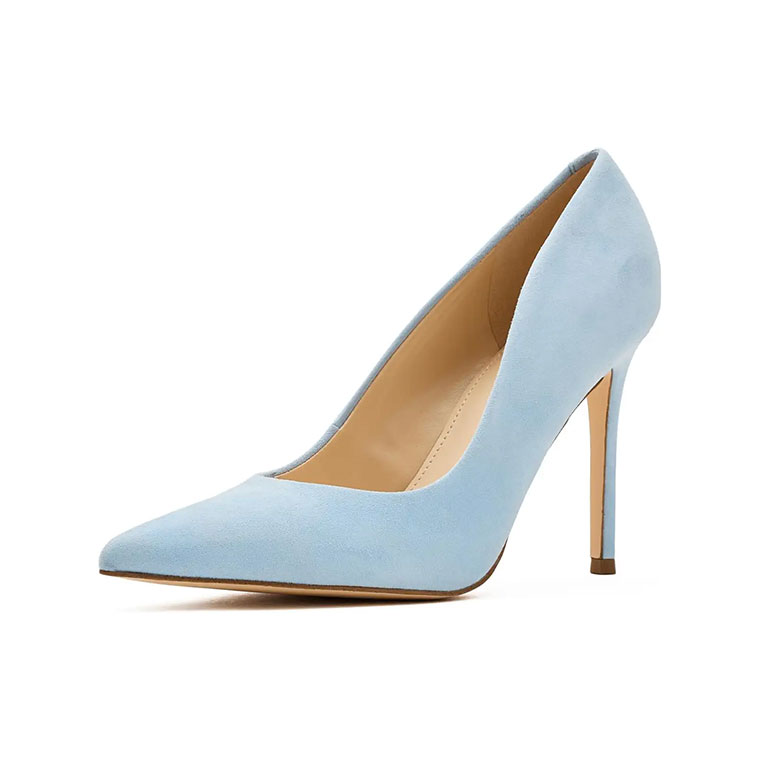
- pointed shoes
Structure alone with the simple base makes any outfits look intentional and polished. A basic top and trousers can look casual on their own, but add an oversized blazer, big sunglasses, a sleek bag, and pointed shoes, suddenly it feels expensive.
The balance between soft and structured is what makes the outfit feel chic instead of plain.
Shop my Favorites
Shop my Favorites
Shop my Favorites
Shop my Favorites
4. Create contrast
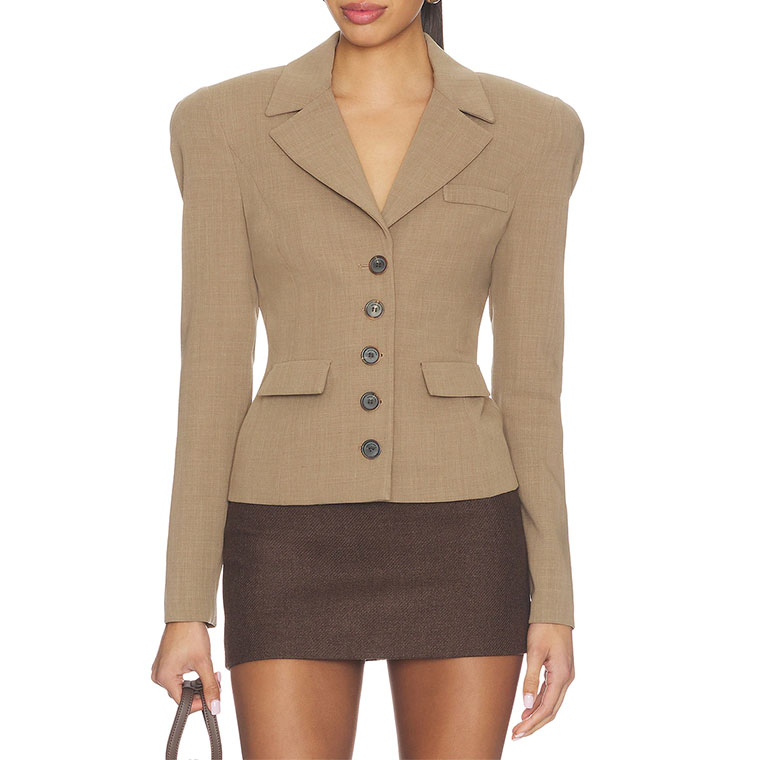
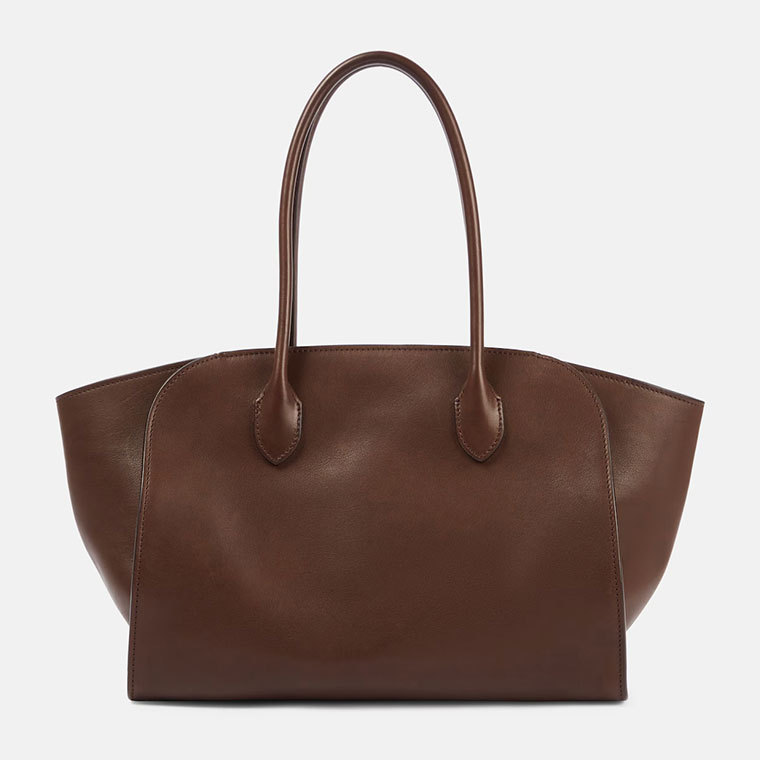
Once you found your neutral color palette, put together your solid neutral base, and added your structure piece, now it’s time to create contrast. A chic outfit usually needs one small contrast piece to make it more editorial and interesting, otherwise it can look a bit flat and too perfectly matched. While structure gives the outfit shape, contrast gives it depth.
Contrast does not only mean wearing a dramatic black and white outfit. It can mean mixing different moods, shapes, textures, or levels of softness and sharpness. It can be the mix of a light outfit and a dark bag, a soft knit and a leather belt, a simple dress and bold sunglasses, or a monochrome look with one unexpected pop of color. The goal is to create a little bit of visual tension to make the outfit feel intentional.
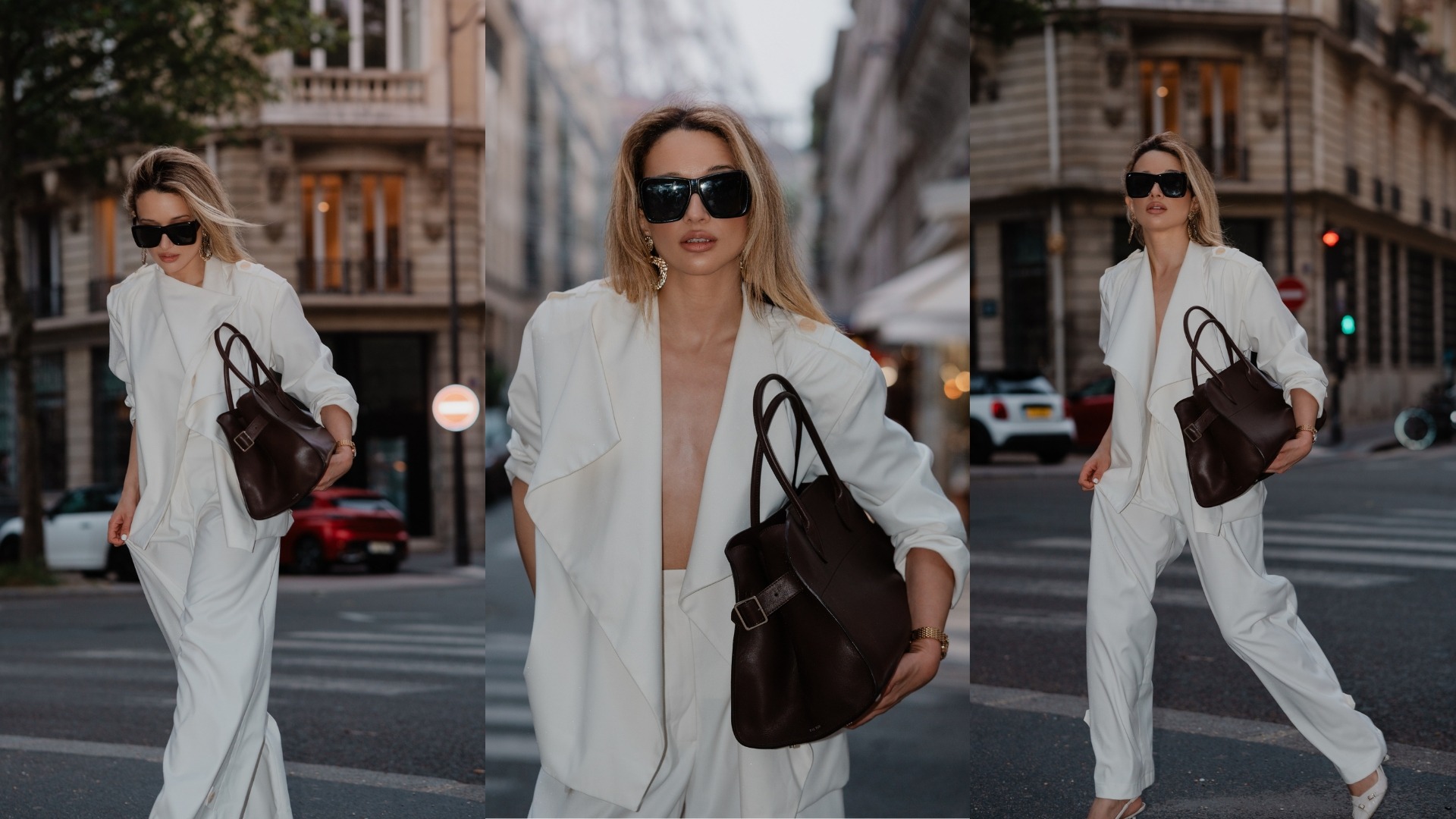
The easiest contrast formula is:
one soft neutral + one deeper neutral + one accent
For example:
- ivory + chocolate brown + gold
- cream + camel + burgundy
- beige + denim + gold
- soft grey + navy + red
This is also where accessories become very powerful. A bag, belt, sunglasses, jewelry, shoes, or lipstick can completely change the outfit without changing the base.
The goal is not to add too much. One strong detail is usually enough.
Shop my Favorites
Shop my Favorites
Shop my Favorites
Shop my Favorites
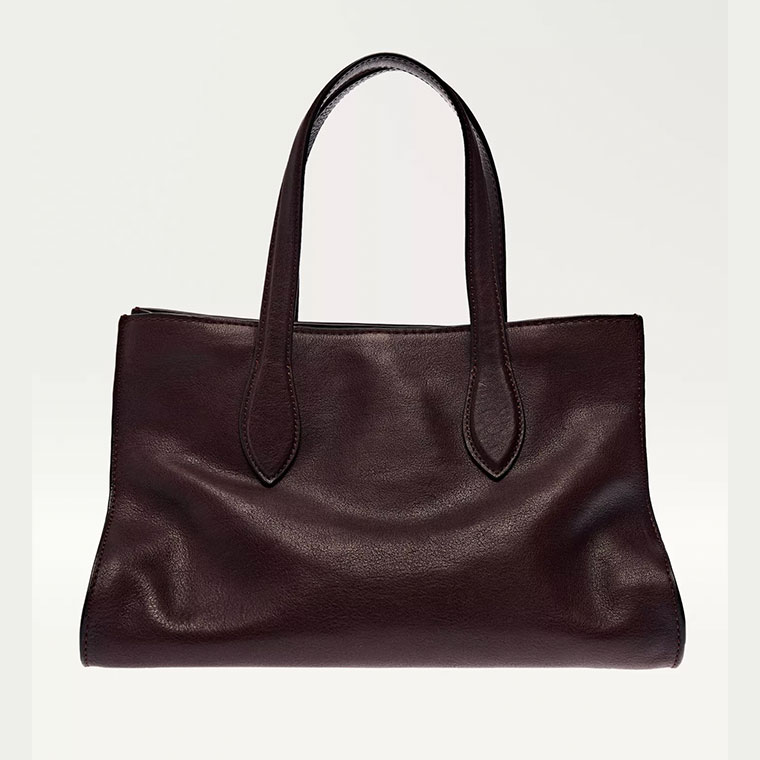
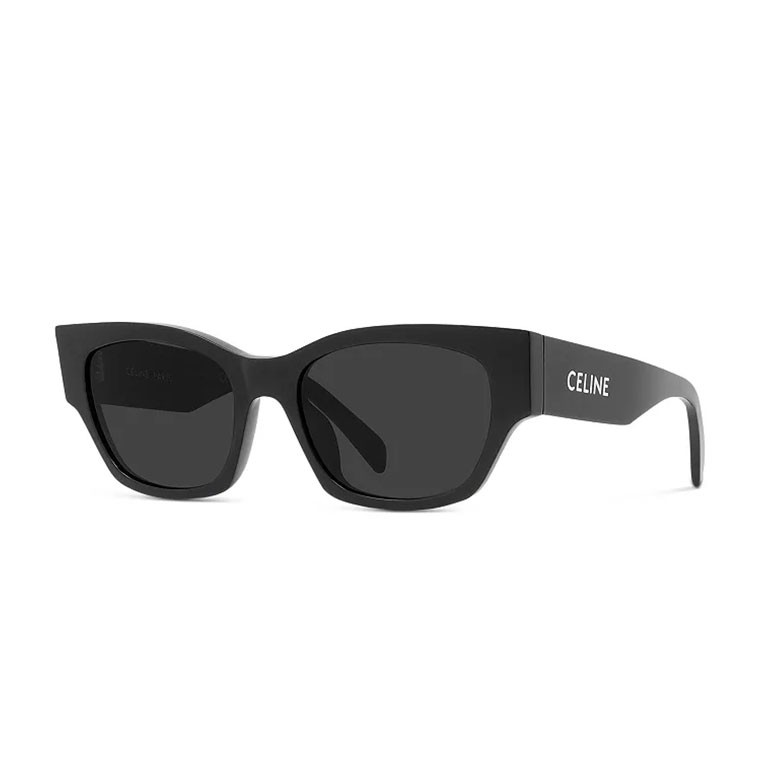
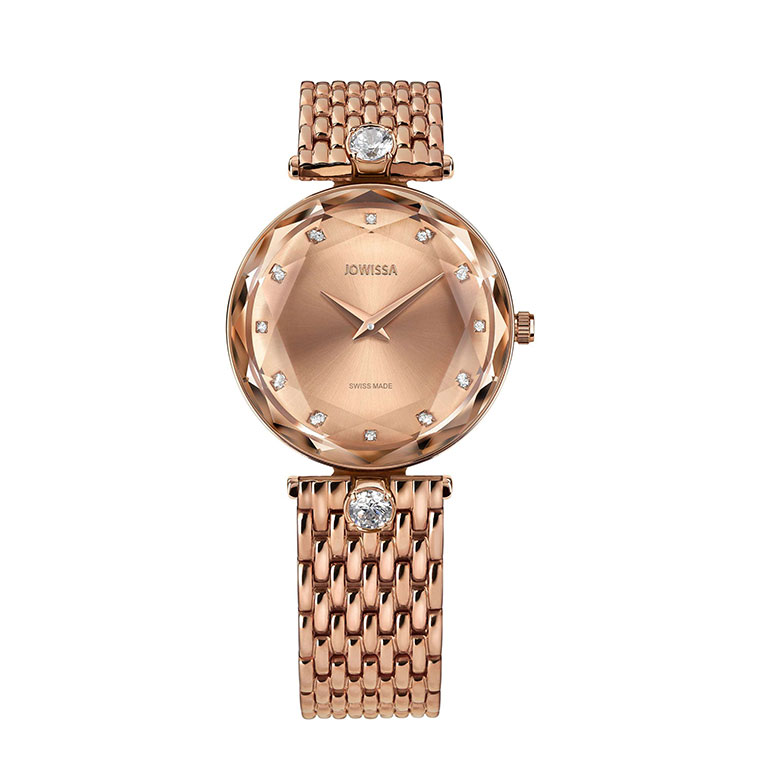
5. Create a focal point
The final step is to choose one focal point.
At this stage, the outfit already has a base, structure, and contrast. The focal point is the detail that gives the look one clear styling moment. Something that makes the outfit memorable without making it feel overdone.
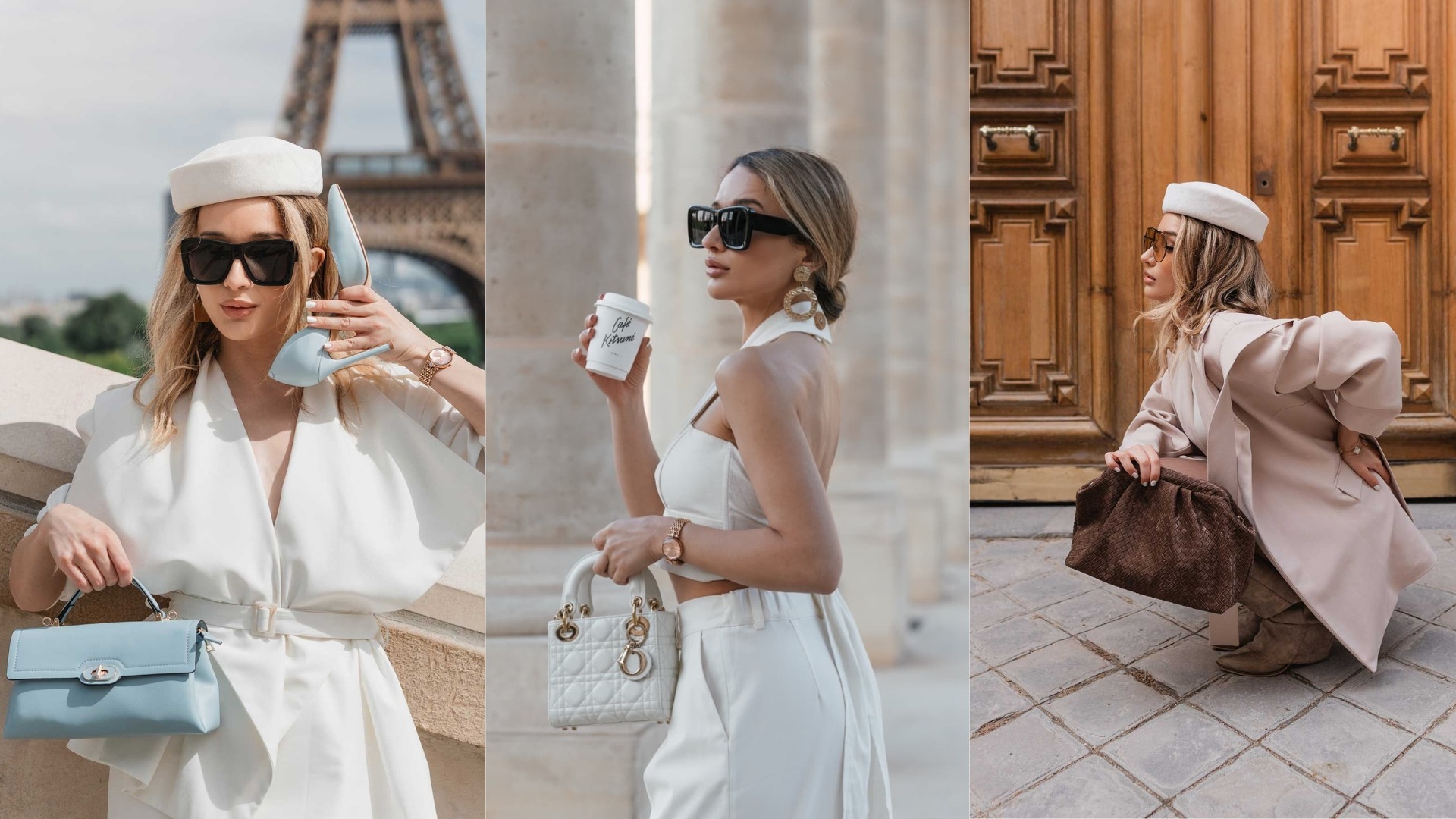
This is where a lot of outfits can go wrong. If you have statement sunglasses, bold earrings, colorful shoes, a strong bag, red lip, and a hat all at once, the outfit can start to feel too busy. But if you choose one main focal detail, everything looks more intentional.
The easiest way to use this rule is to ask yourself:
What is the one thing I want people to notice first?
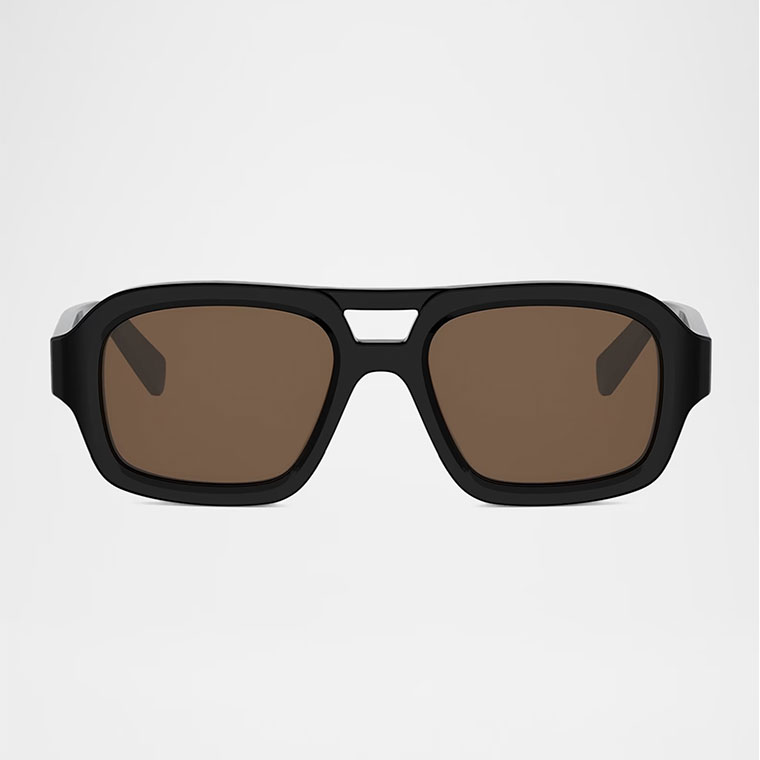
- If the answer is the sunglasses, keep the jewelry simple.
- If the answer is the earrings, maybe skip the necklace.
- If the answer is the bag, keep the shoes more neutral.
Pieces worth adding as focal points
These are the pieces I would look for if you want your outfits to feel more styled without constantly buying new clothes:
- statement sunglasses
- gold or pearl earrings
- structured mini bags
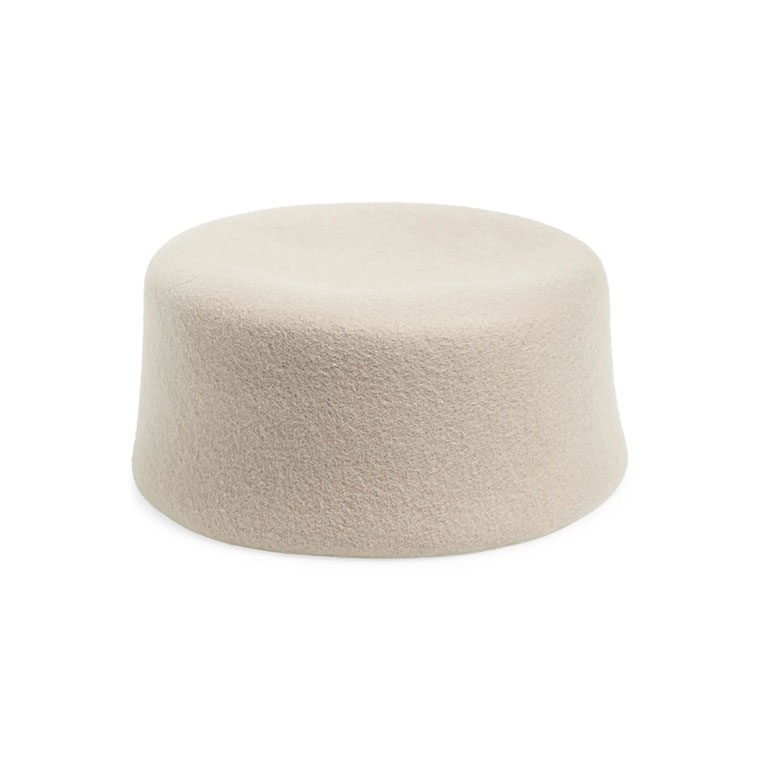
- hats or fascinators
- one pop-of-color accessory
- Interesting shoes
For example:
- If you are wearing a very simple monochrome outfit = add statement sunglasses
- When your neckline is simple or your hair is pulled back = wear bold earrings
- If the clothes are very neutral = add one pop of color through a bag, shoes, or lipstick
If this sounds too similar to the contrast piece and now you're confused, don’t worry.The same piece can sometimes do more than one job. For example, a structured bag can both add structure, create contrast if it is a darker color, or become the focal point if it gives an unexpected pop of color.
Shop my Favorites
Shop my Favorites
Shop my Favorites
Shop my Favorites
Summary: Your go-to chic outfit formula
So, to summarize what we’ve talked about, when in doubt about what to wear, think of this formula:
Personal color palette + simple base + structured layer + contrast piece + focal point
And remember, one outfit detail can do more than one thing. It is simple, but it works every time.
For example:
- ivory trousers, fitted top + sharp blazer + statement sunglasses
- white top + cream coat + black shorts + structured mini bag
- slip dress + oversized blazer + bold earrings + sleek sandals
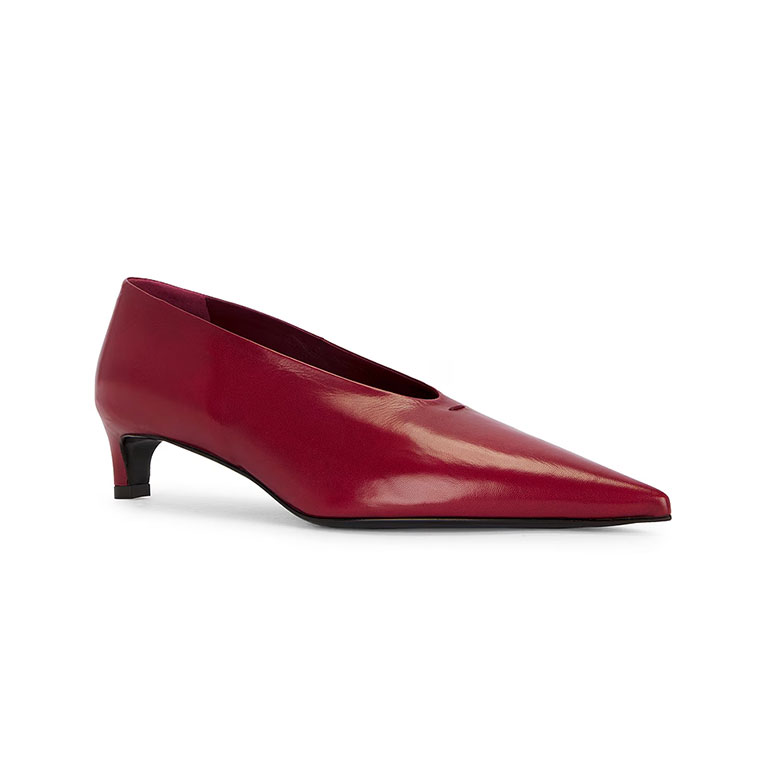
- monochrome wide-leg trousers + off-shoulder top + structured bag + pointed red heels
- monochrome outfit + belted blazer + pop of color bag
The secret to always having something chic to wear is not having a huge wardrobe. It is having a wardrobe built from intentional pieces that make sense together.
Because when your wardrobe has a clear direction, getting dressed becomes less stressful, more creative, and much more fun.
Shop my Favorites
Shop my Favorites
Shop my Favorites
Shop my Favorites